 ENEnglish
 LTLietuviškai
 DEDeutsch
 FRFrançais
 RUРусский
 ESEspañol
 PLPolski
 ITItaliano
 UKУкраїнська
 CSČeština
 PTPortuguês
 JA日本語
JA日本語 LVLatviešu valoda
 ETEesti
 HUMagyar
 IDBahasa Indonesia
 TRTürkçe
 HIहिन्दी
 ELΕλληνικά
 ARالعربية
 THไทย
THไทย VITiếng Việt
 RORomână
 MSBahasa Melayu
 BNবাংলা
SEO e marketing de conteúdo
Practical guides on writing articles that rank: search intent, article length, structure, internal links and steady publishing. Everything we learn while AI writes thousands of long-form articles for real websites.
 14 de ago. de 2026 · 6 min de leitura
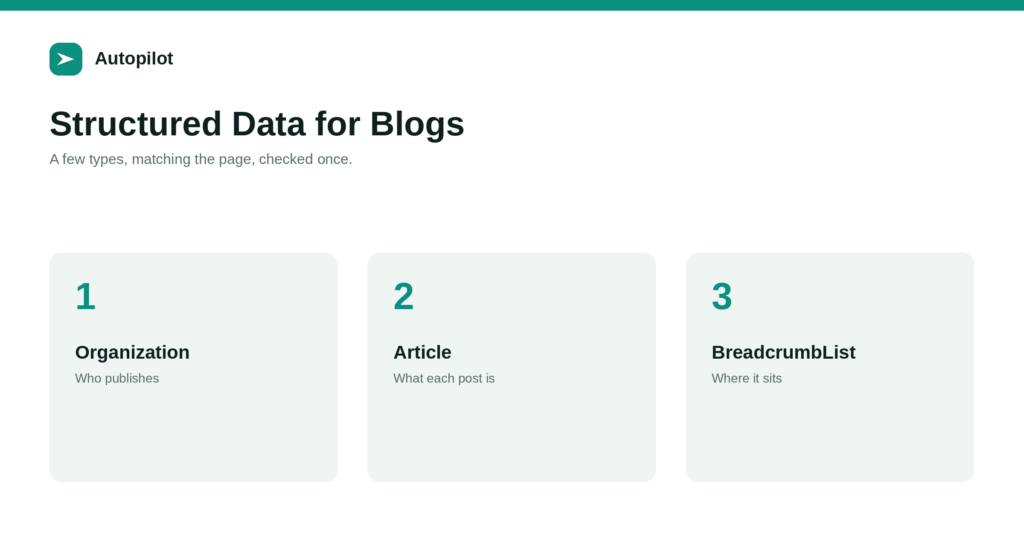
Structured Data for a Blog: What Is Worth Adding
Structured data tells search engines what a page is. The types a blog actually needs, the rule that markup must match the visible page,…
 13 de ago. de 2026 · 6 min de leitura
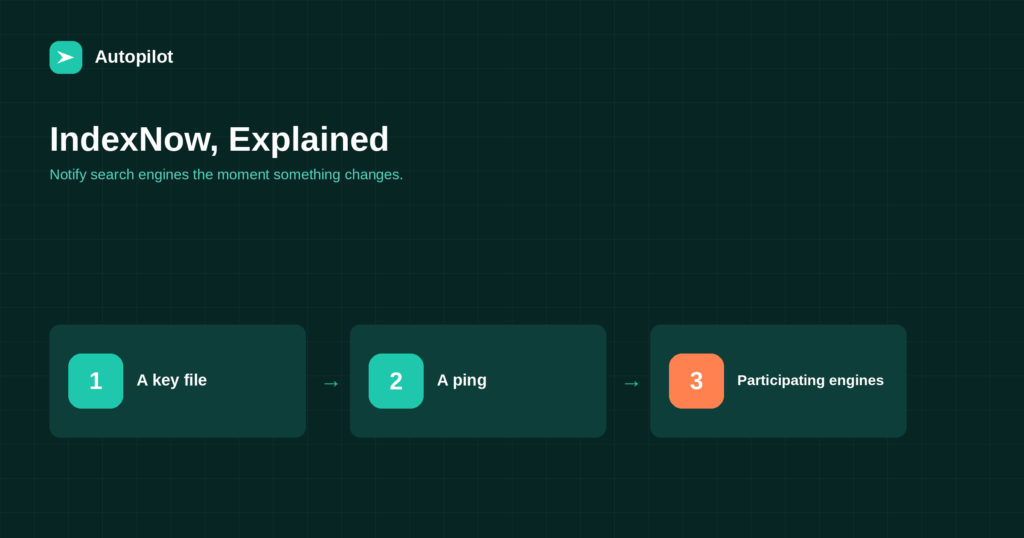
IndexNow: Telling Search Engines About New Pages Immediately
IndexNow lets a site notify participating search engines the moment a page is added or changed. How it works, which engines use it, how…
 13 de ago. de 2026 · 6 min de leitura
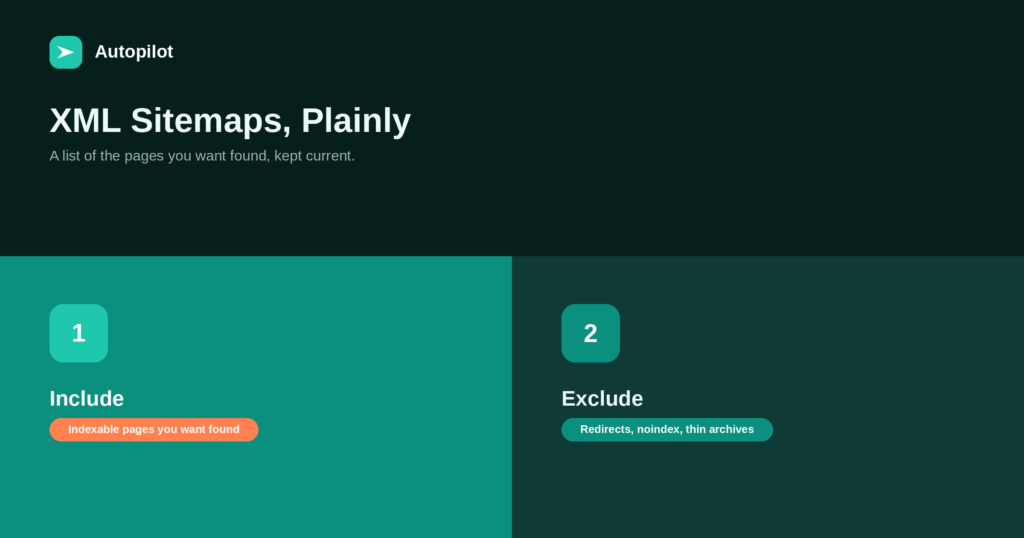
XML Sitemaps Explained for People Who Publish
An XML sitemap lists the pages you want search engines to find. What belongs in it, what does not, how WordPress generates one, and…
 13 de ago. de 2026 · 6 min de leitura
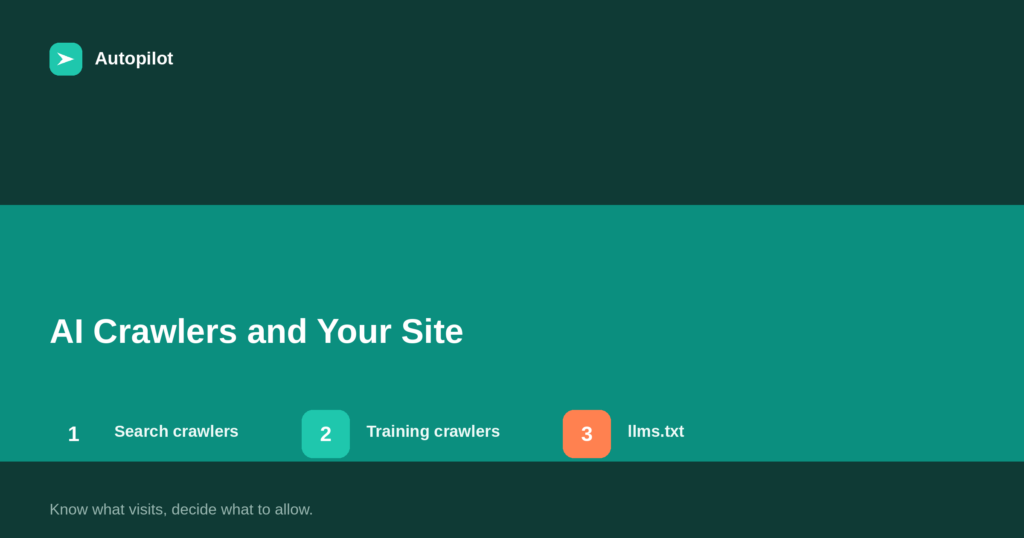
AI Crawlers, robots.txt and llms.txt: What Site Owners Should Know
Several kinds of crawler now visit websites for AI purposes. What robots.txt can and cannot control, what llms.txt is, and how to decide what…
 12 de ago. de 2026 · 6 min de leitura
AI Answers in Search Results: What They Mean for Traffic
Search results increasingly open with an AI-generated summary. What that changes for publishers, what it does not, and the practical steps worth taking now.
 12 de ago. de 2026 · 6 min de leitura
Zero-Click Searches: What They Mean for a Business Blog
More searches end on the results page without a click. What that means for a blog, which content still earns visits, and how to…
 12 de ago. de 2026 · 6 min de leitura
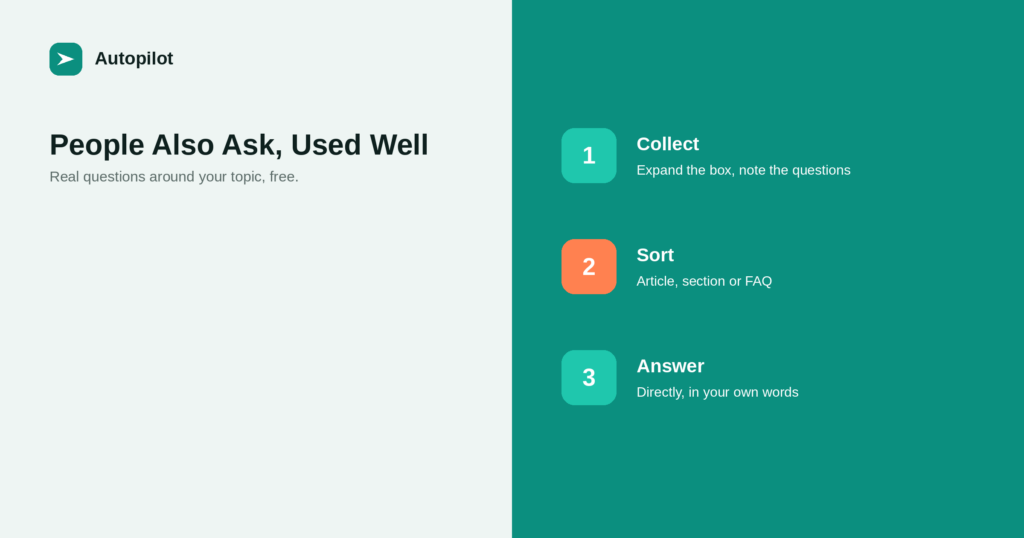
Using People Also Ask as a Content Source
The questions shown in the People also ask box are real searches around your subject. How to collect them, decide which deserve articles and…
 11 de ago. de 2026 · 6 min de leitura
Writing for Featured Snippets Without Chasing Them
Featured snippets quote a short passage that answers a query directly. How to write passages that qualify, which formats suit which questions, and what…
 11 de ago. de 2026 · 6 min de leitura
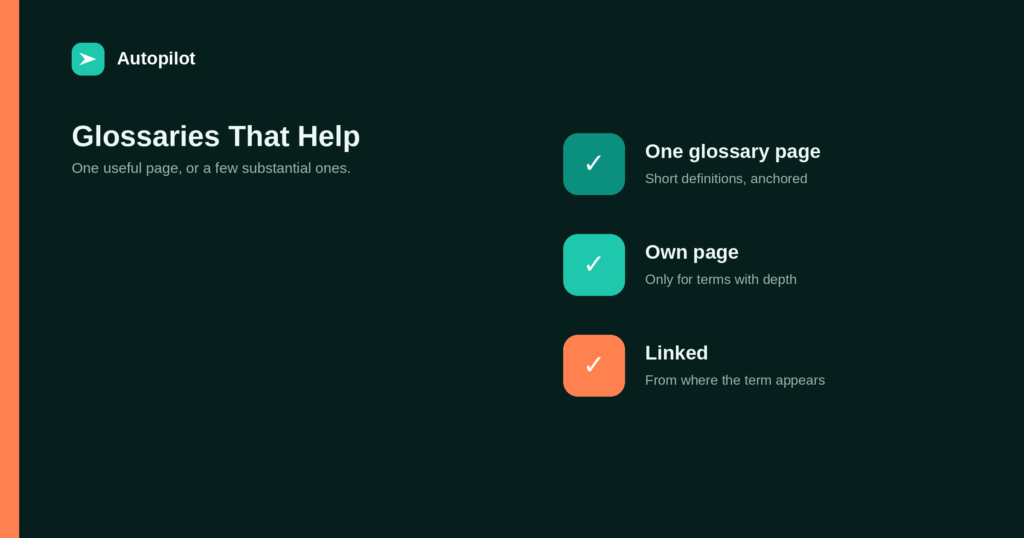
Glossary Pages and Definitions: When They Help
A glossary can help readers and connect a site, or become hundreds of thin pages. When definitions deserve their own pages, how to write…
 11 de ago. de 2026 · 6 min de leitura
How to Write an Opinion Piece for a Business Blog
A reasoned opinion is the one thing nobody else can publish for you. How to state a position, support it, handle the objections, and…
 10 de ago. de 2026 · 6 min de leitura
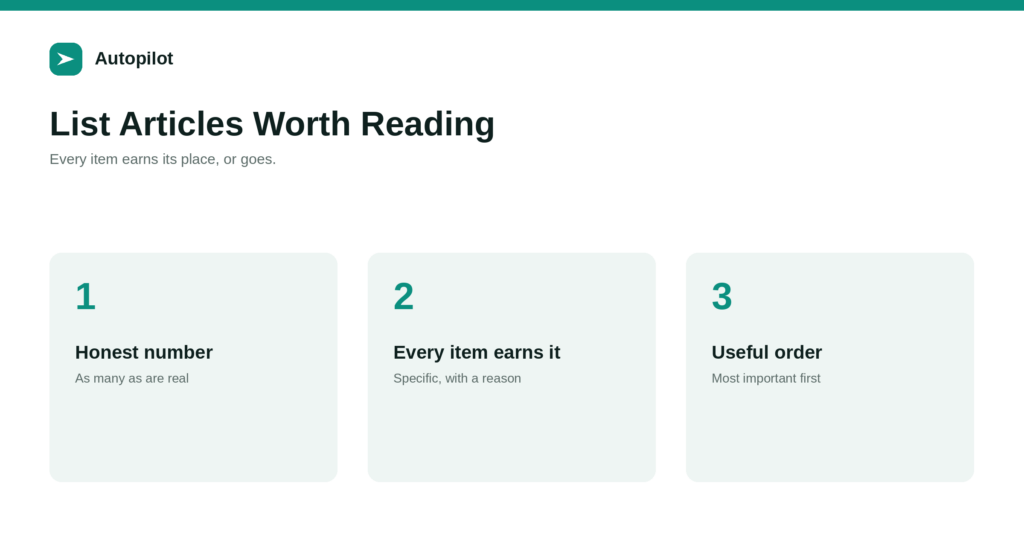
How to Write a List Article That Is Not Filler
List articles are easy to write and easy to make worthless. How to choose the number honestly, make every item earn its place, and…
 10 de ago. de 2026 · 6 min de leitura
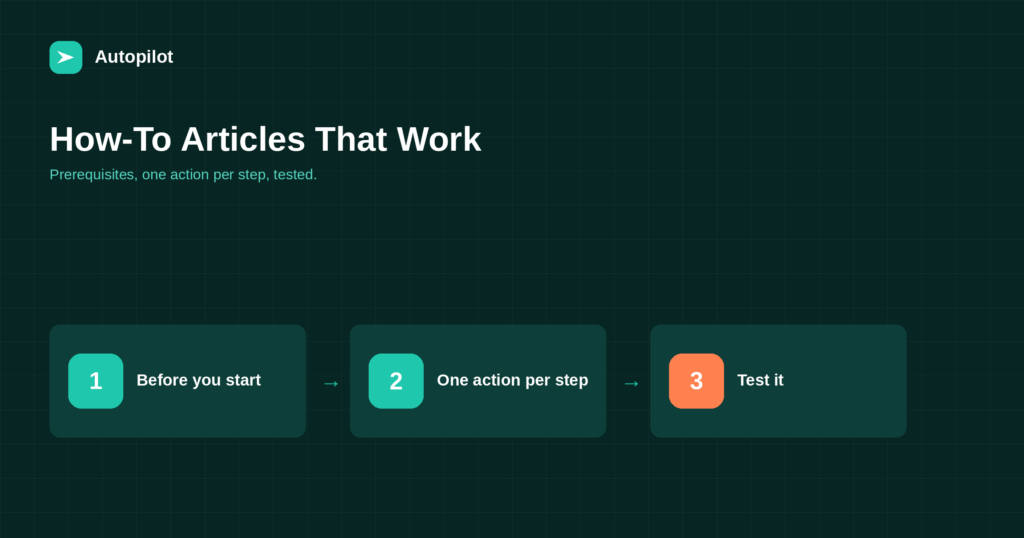
How to Write a How-To Article People Can Actually Follow
A how-to article succeeds when a reader finishes the task. What to state before the steps, how to write each step, where to warn,…