 ENEnglish
 LTLietuviškai
 DEDeutsch
 FRFrançais
 RUРусский
 ESEspañol
 PLPolski
 ITItaliano
 UKУкраїнська
 CSČeština
 PTPortuguês
 JA日本語
JA日本語 LVLatviešu valoda
 ETEesti
 HUMagyar
 IDBahasa Indonesia
 TRTürkçe
 HIहिन्दी
 ELΕλληνικά
 ARالعربية
 THไทย
THไทย VITiếng Việt
 RORomână
 MSBahasa Melayu
 BNবাংলা
SEO e marketing de conteúdo
Practical guides on writing articles that rank: search intent, article length, structure, internal links and steady publishing. Everything we learn while AI writes thousands of long-form articles for real websites.
 1 de out. de 2026 · 8 min de leitura
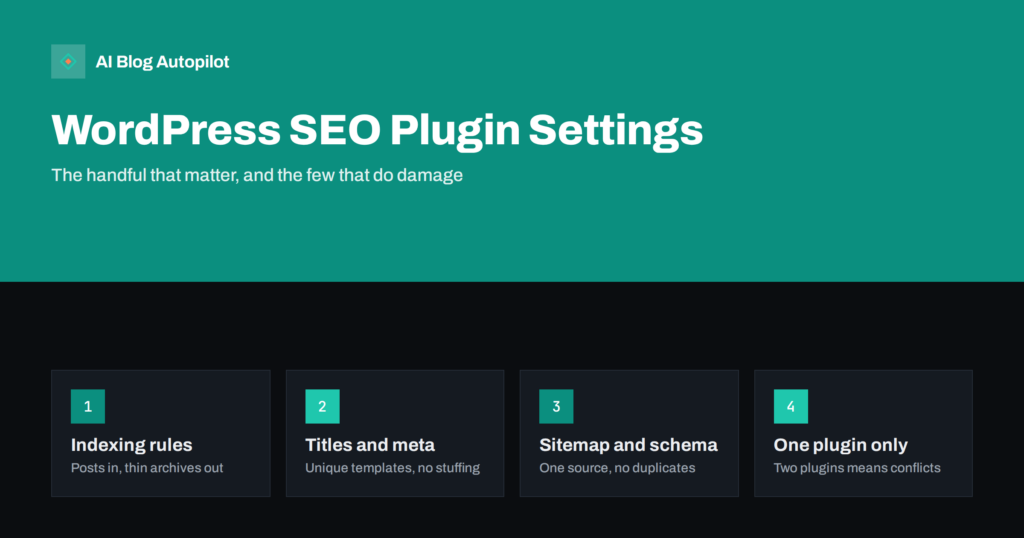
WordPress SEO Plugin Settings That Actually Matter
SEO plugins have dozens of settings, but only a handful matter for a blog. Which ones to check, sensible defaults, and the settings that…
 1 de out. de 2026 · 8 min de leitura
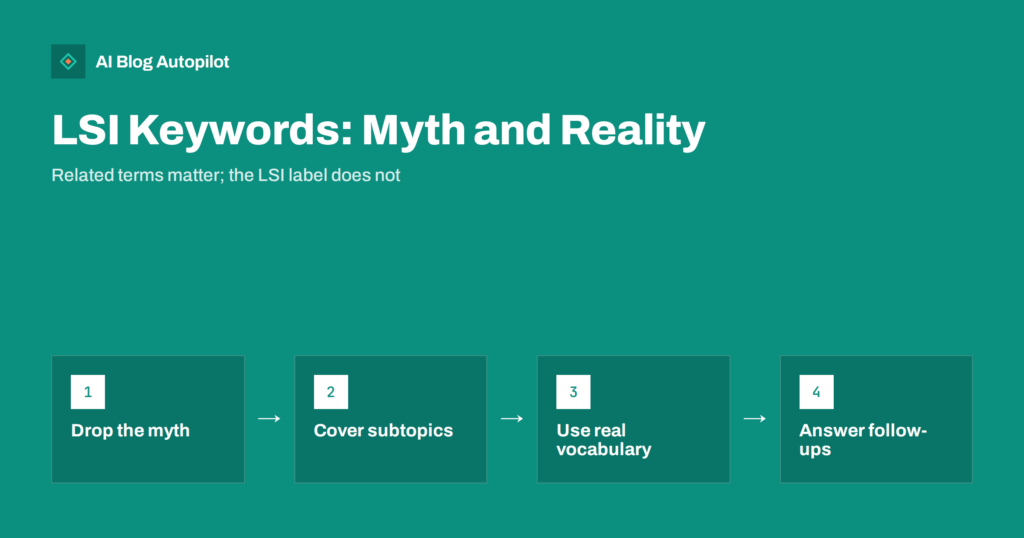
LSI Keywords and Related Terms: What Actually Matters
LSI keywords are a persistent SEO myth, but related terms still matter. What search engines actually use, and how to cover a topic's language…
 1 de out. de 2026 · 8 min de leitura
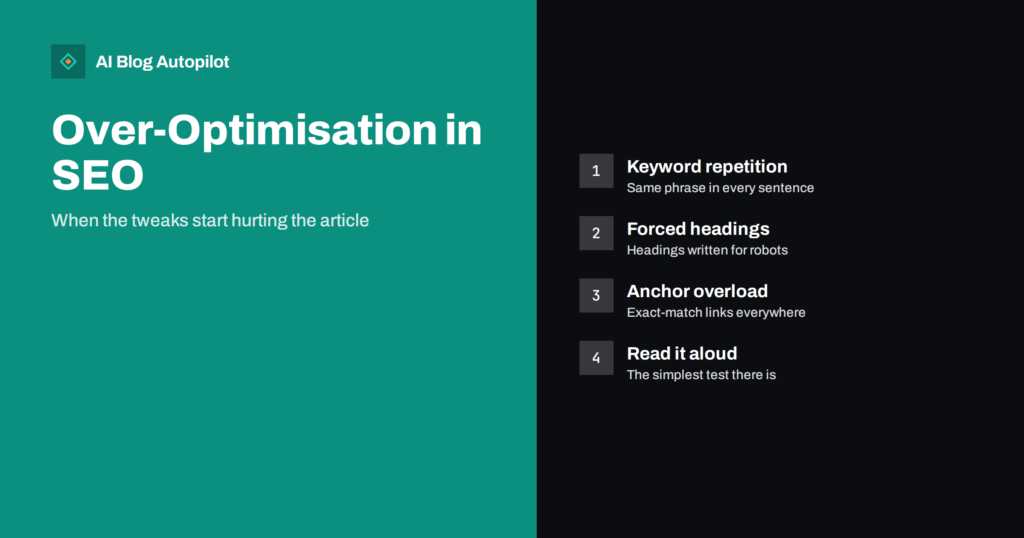
Over-Optimisation: When SEO Tweaks Make an Article Worse
Too much SEO can hurt an article: repeated keywords, forced headings, link overload. How to spot over-optimisation and fix it without losing what works.
 1 de out. de 2026 · 8 min de leitura
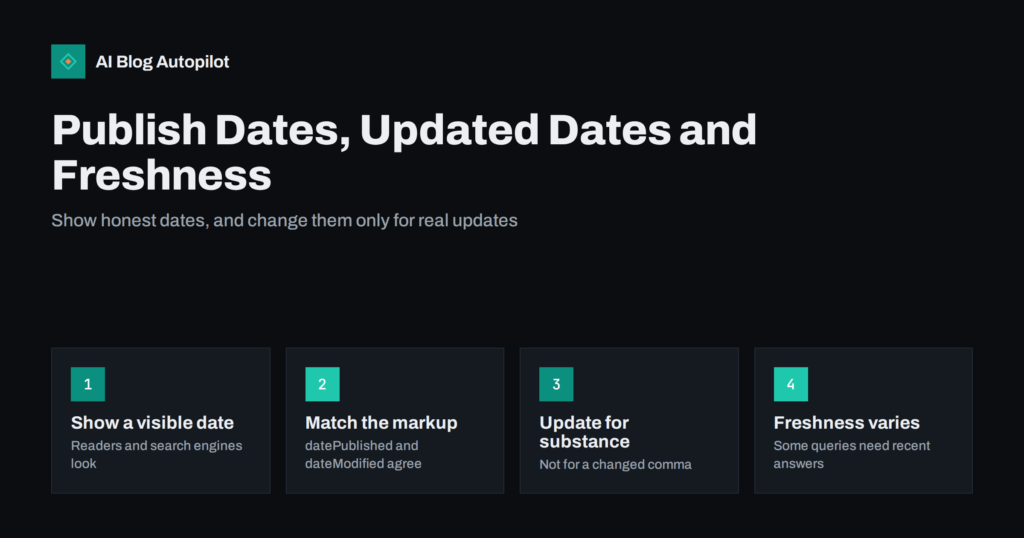
Publish Dates, Updated Dates and Freshness in Search
Dates on blog posts affect how search engines and readers judge freshness. Which dates to show, how to mark them up, and why fake…
 1 de out. de 2026 · 8 min de leitura
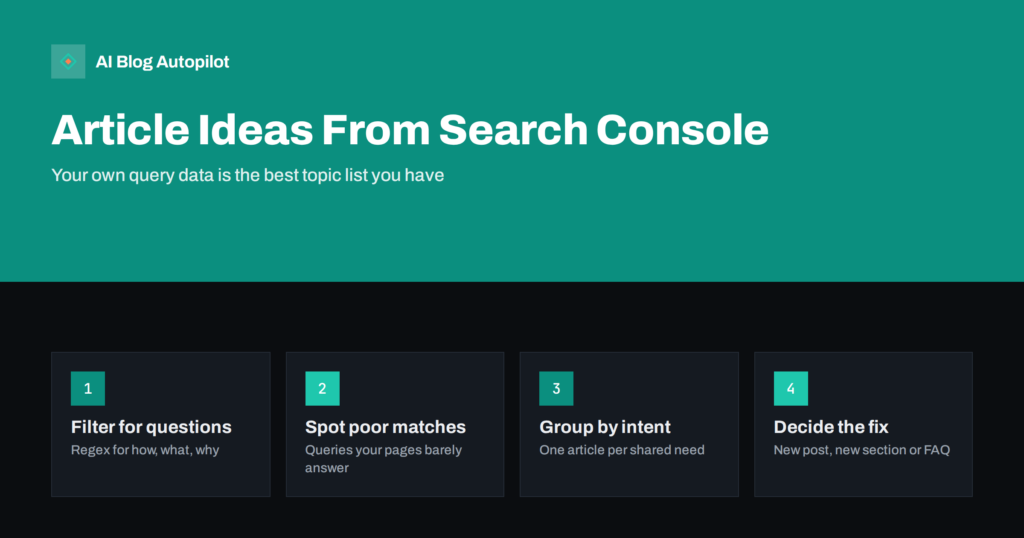
Finding Article Ideas in Search Console Query Data
Search Console shows the questions people already find you for. How to mine query data for new article ideas, FAQ entries and sections worth…
 1 de out. de 2026 · 9 min de leitura
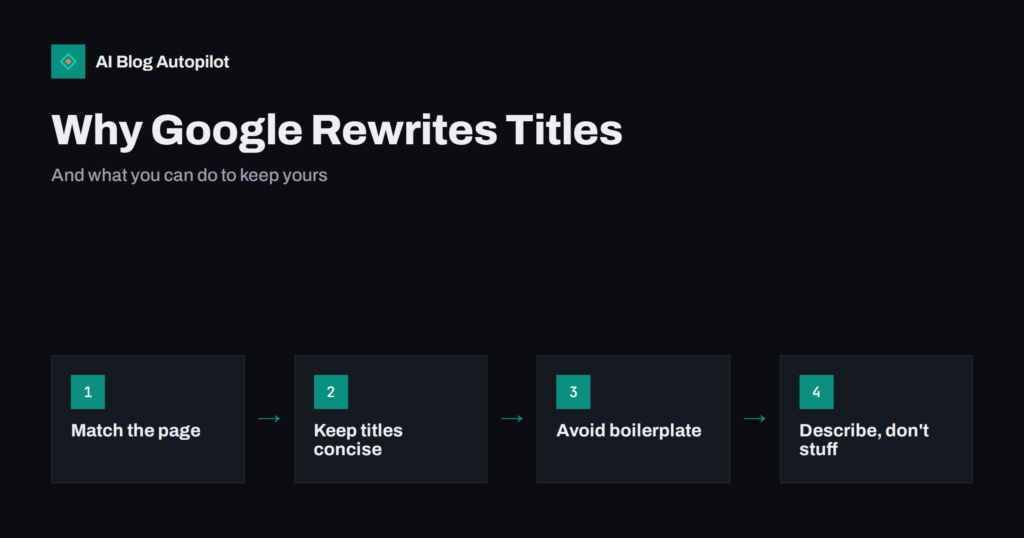
Why Google Rewrites Your Titles and Meta Descriptions
Search results often show a different title or description from the one you wrote. Why Google rewrites them, which pages it happens to, and…
 1 de out. de 2026 · 9 min de leitura
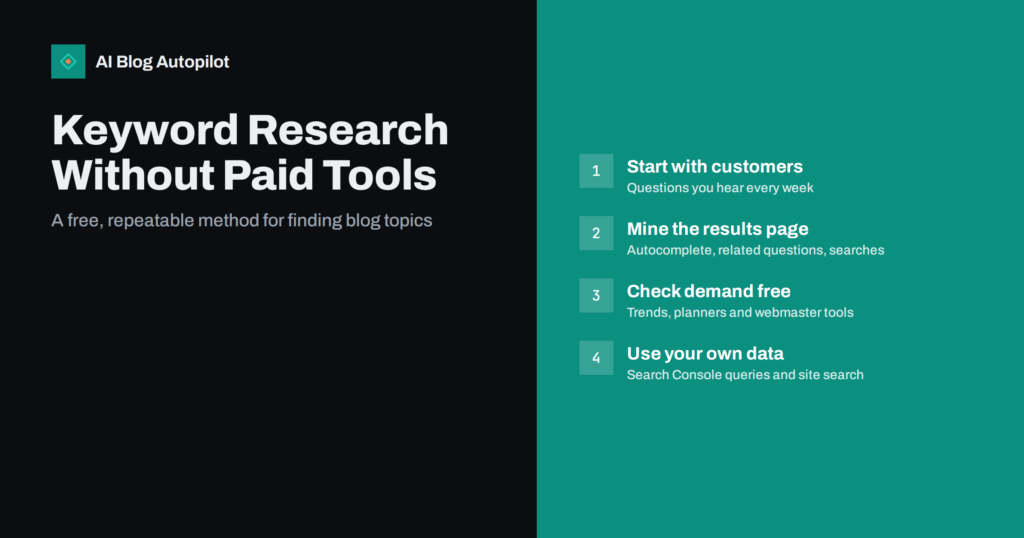
Keyword Research Without Paid Tools: A Practical Method
You can find good blog topics without a paid SEO tool. A step-by-step method using autocomplete, related questions, Search Console, trends and your customers.
 1 de out. de 2026 · 8 min de leitura
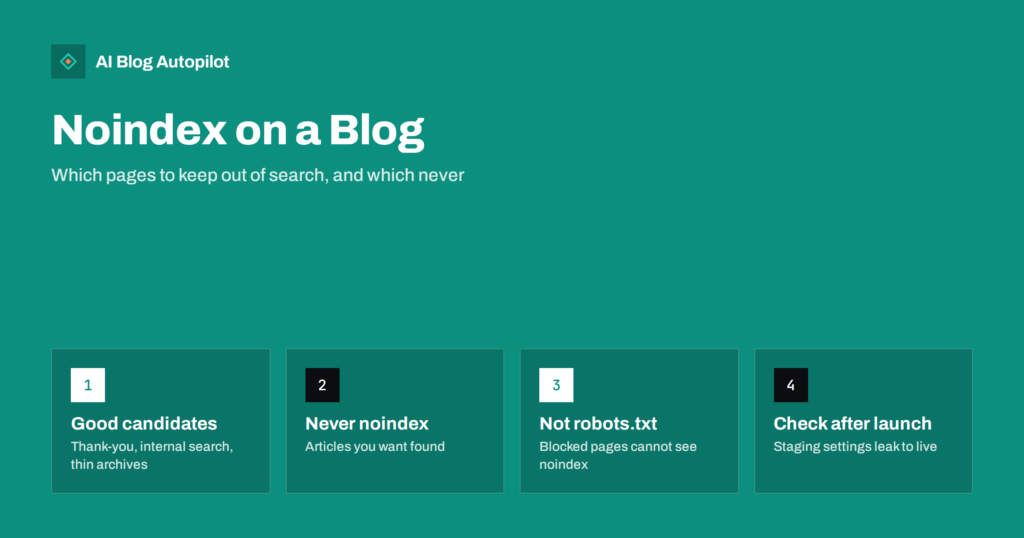
Noindex on a Blog: Which Pages to Keep Out of Search
Noindex keeps a page out of search results while leaving it open to visitors. Which blog pages should carry it, which should not, and…
 1 de out. de 2026 · 9 min de leitura
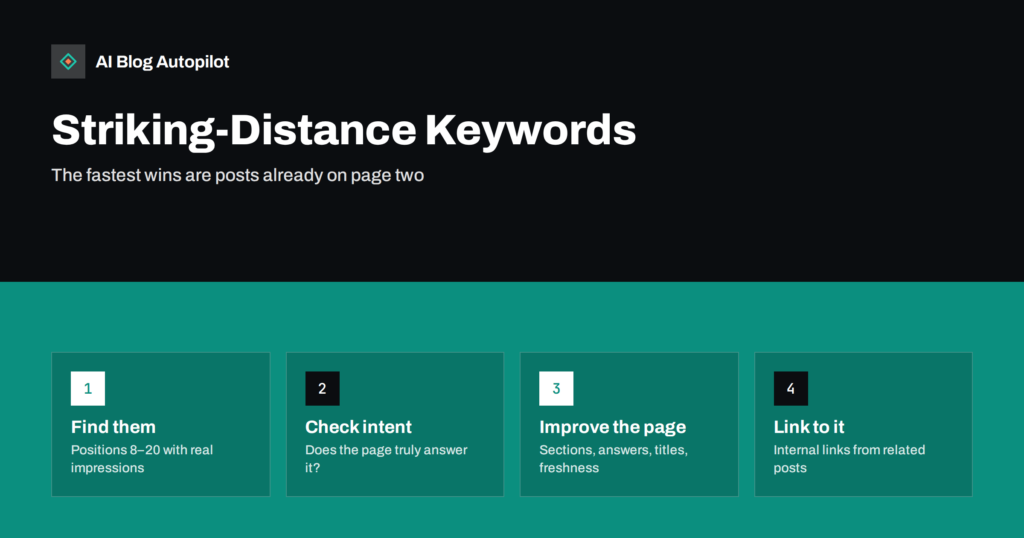
Striking-Distance Keywords: Moving Page-Two Posts Up
Striking-distance keywords are queries where a post already ranks around positions 8 to 20. How to find them in Search Console and improve the…
 1 de out. de 2026 · 8 min de leitura
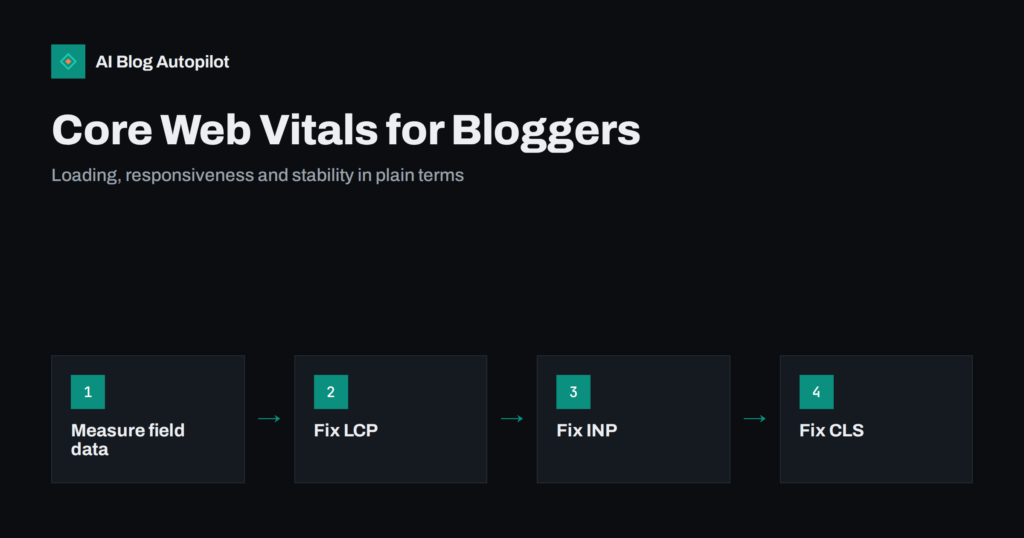
Core Web Vitals for Bloggers: LCP, INP and CLS Explained
Core Web Vitals measure loading, responsiveness and layout stability. What LCP, INP and CLS mean for a blog, the usual causes of poor scores,…
 1 de out. de 2026 · 9 min de leitura
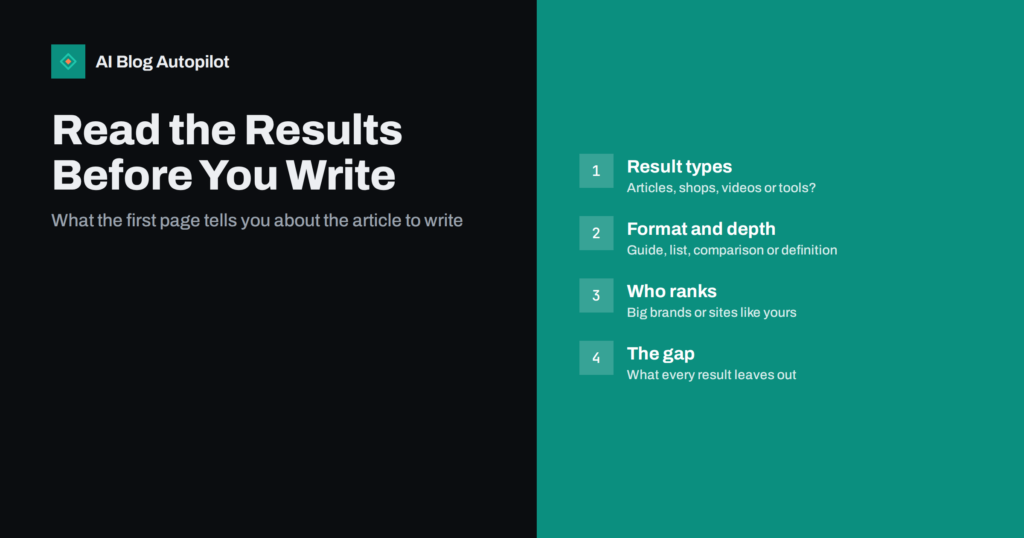
Reading the Search Results Before You Write an Article
Ten minutes on the results page tells you what format, depth and angle an article needs to rank. A practical method for reading search…
 1 de out. de 2026 · 9 min de leitura
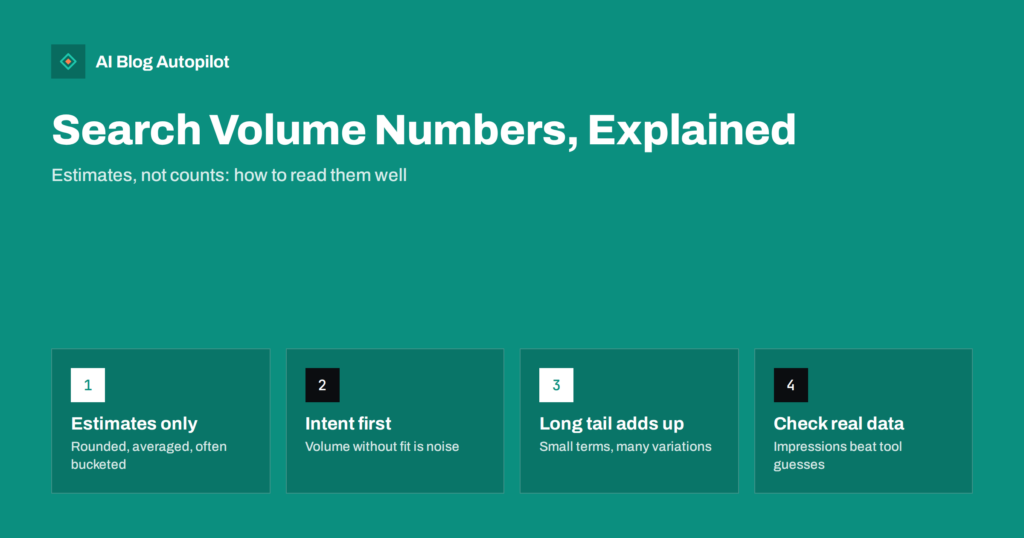
Search Volume Numbers: Why They Mislead and How to Use Them
Search volume figures are estimates, rounded and averaged. What they really measure, why they mislead small blogs, and how to use them to pick…