ENEnglish
 LTLietuviškai
 DEDeutsch
 FRFrançais
 RUРусский
 ESEspañol
 PLPolski
 ITItaliano
 UKУкраїнська
 CSČeština
 PTPortuguês
 JA日本語
JA日本語 LVLatviešu valoda
 ETEesti
 HUMagyar
 IDBahasa Indonesia
 TRTürkçe
 HIहिन्दी
 ELΕλληνικά
 ARالعربية
 THไทย
THไทย VITiếng Việt
 RORomână
 MSBahasa Melayu
 BNবাংলা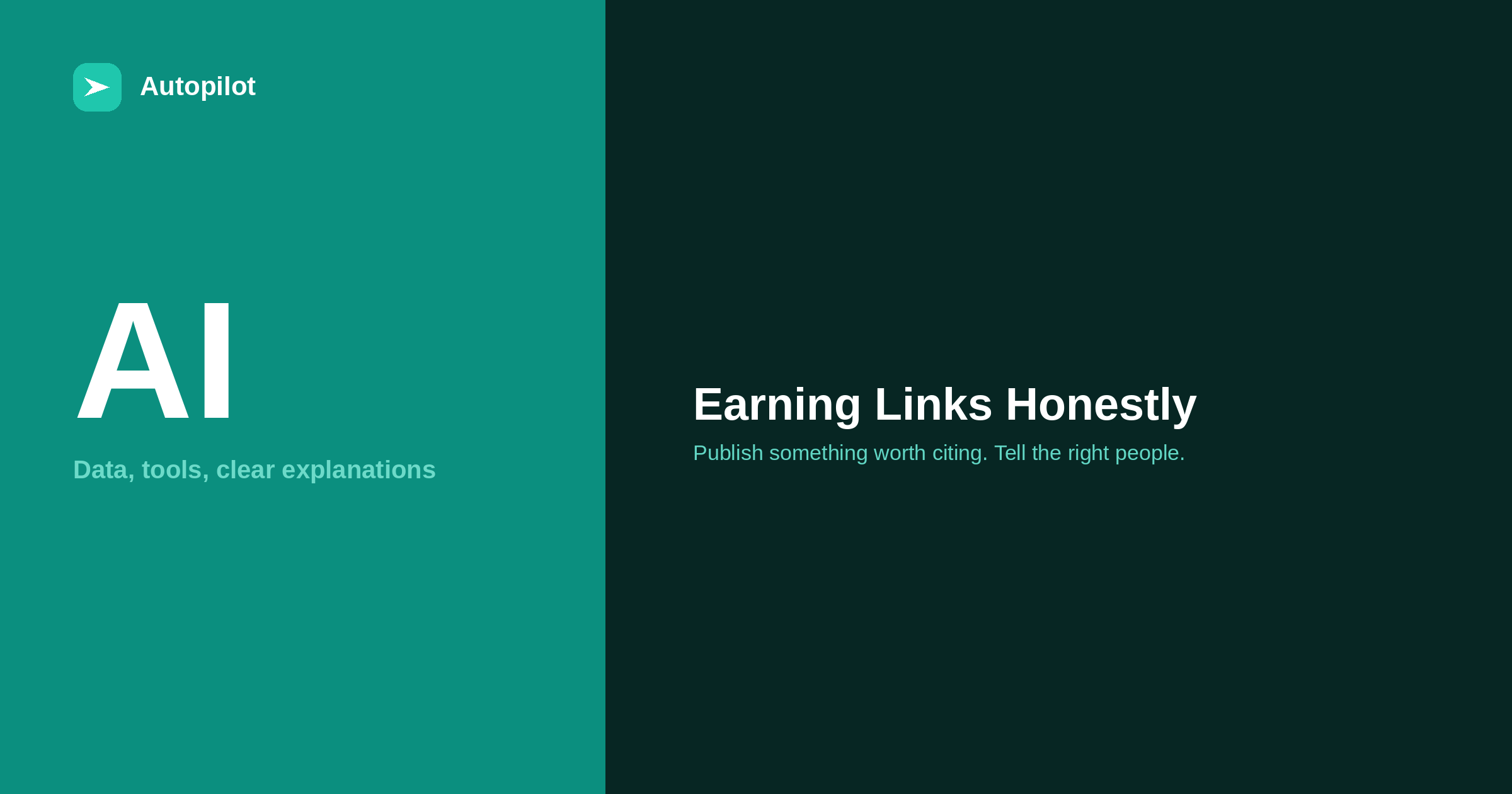
Short answer: links from other sites still help search engines judge which pages are trusted, but the ones that count are editorial: given freely by someone who found your page useful. A small site earns them by publishing things worth citing — original data, a clear explanation of something confusing, a useful tool or template, a strong reasoned position — and by letting the specific people who write about the subject know it exists. Buying links, exchanging them in schemes, or placing them in low-quality guest posts at scale is against search guidelines and can do real harm.
Links from other websites remain one of the ways search engines judge which pages deserve trust. That is why an entire industry sells them, and why the guidelines spend so much effort warning against it.
For a small business the honest route is slower and more reliable: make pages that deserve links, and make sure the people who might give them know those pages exist.
Which links matter
Not all links are equal, and the count matters much less than people assume.
| Link | Value |
|---|---|
| From a respected site in your field, in an article | High |
| From a local organisation, partner or supplier | Moderate, and relevant |
| From a news article or industry publication | High, often rare |
| From a directory with thousands of listings | Little or none |
| Bought, exchanged or from a link network | Risky; can be ignored or penalised |
One link from a relevant, respected source is worth more than dozens from sites nobody reads. Chasing volume leads straight to the tactics that cause problems.
What gets linked
People link to pages that help them make a point or help their readers. That narrows the kinds of content that earn links.
- Original data. Survey results, figures from your own operations, analyses nobody else has done. Other writers need sources.
- Clear explanations of confusing subjects, which others link rather than explain themselves.
- Tools, templates and checklists people can use directly.
- A strong, reasoned position that others want to agree or argue with.
A competent summary of what is already published earns almost none, because anyone linking could link to the original instead. adding something original covers where original material comes from.
Letting the right people know
A linkable page nobody sees earns nothing. The promotion that matters is specific: finding the handful of people who write about this subject and telling them, briefly, why this page is relevant to them.
Search for recent articles on the subject and note who wrote them. Look at who is quoted, who runs the newsletters in your field, which associations publish resources for your customers. Write to a few, with a specific reason and no demand. Some will find it useful and link it; most will not reply, and that is normal.
promoting a blog post covers the wider routine this fits into.
Links you already deserve
Several sources of legitimate links are often simply unclaimed.
Mentions without links. Search for your company name; where someone mentions you without linking, a polite note asking them to add one often works.
Partners, suppliers and customers. Many have pages listing partners, integrations or case studies.
Local and industry organisations you belong to.
Broken links elsewhere. A page linking to a resource that no longer exists, where yours is a genuine replacement, is worth a short note to its owner.
What the guidelines warn against
Search guidelines describe link schemes explicitly, and the list is worth knowing so you can recognise offers that sound harmless.
- Buying or selling links that pass ranking value.
- Excessive link exchanges — link to me and I will link to you.
- Large-scale guest posting campaigns with keyword-rich links.
- Automated programs that create links.
- Requiring a link as part of a contract or terms of service.
Paid placements and sponsored content are fine when the link is marked as sponsored or nofollow. The problem is paying for links designed to look editorial.
Guest posting and digital PR
Two tactics sit in between and are worth using carefully.
Writing a genuinely useful article for a respected publication in your field, where the readers overlap with your customers, is legitimate and valuable. Mass-producing thin articles for any site that accepts them is a scheme — guest posting covers the difference.
Digital PR — creating something newsworthy and offering it to journalists — can earn the most valuable links of all, but it needs genuinely interesting material. digital PR for a small blog covers doing it on a small budget.
Internal links first
While external links take time, internal links are fully in your control and help search engines understand which of your pages matter most.
Link your most important pages from related articles, with descriptive anchor text, and make sure no valuable page is an orphan. internal linking as you publish covers the habit. It is not a substitute for external links, but it makes sure the ones you earn flow usefully through the site.
Measuring what you earn
Search Console’s links report shows which sites link to you and which of your pages attract the most links. Check it every few months rather than weekly.
Look for patterns: which kinds of page earn links, which outreach produced them, and whether any unfamiliar low-quality sites have started linking in bulk. The first tells you what to make more of. The last is usually harmless, since search engines generally ignore such links, but it is worth knowing about.
Patience and honesty
A small site might earn a handful of good links a year. That is normal, and a few good links matter more than many poor ones.
Be wary of anyone promising a specific number of links or a ranking outcome from link building. Nobody controls whether other sites choose to link, and the guaranteed kind is almost always the kind the guidelines prohibit.
Related reading
If this was useful, these cover the questions that usually come next.
- Digital PR for a small blog — the ambitious version
- Guest posting — one tactic, used carefully
- Adding something original — the raw material of linkable content
The bottom line
Publish things worth citing — original data, clear explanations, tools, strong positions — and tell the few people who write about the subject. Claim the links you already deserve from mentions, partners and organisations. Stay away from bought links, exchanges and mass guest posting, and expect a handful of good links a year rather than hundreds.
SSS
Do backlinks still matter?
Yes. Links from respected, relevant sites remain one of the ways search engines judge trust. Quality and relevance matter far more than the number.
How can a small business get backlinks?
By publishing things worth citing, such as original data, clear explanations and useful tools, and by letting the specific people who write about the subject know. Also claim links from mentions, partners and organisations.
Is buying backlinks against the rules?
Buying links that pass ranking value is a link scheme under search guidelines. Paid placements are acceptable when marked as sponsored or nofollow.
Are directory links worth getting?
Rarely. Large general directories carry little or no value. Relevant local or industry directories that real people use can be worthwhile.
How many backlinks does a small site need?
There is no target number. A few links from relevant, respected sources can matter more than many from weak ones.
Can anyone guarantee backlinks?
Not honest ones. Editorial links depend on other people’s choices. Guaranteed links almost always come from schemes the guidelines prohibit.