 ENEnglish
 LTLietuviškai
 DEDeutsch
 FRFrançais
 RUРусский
 ESEspañol
 PLPolski
 ITItaliano
 UKУкраїнська
 CSČeština
 PTPortuguês
 JA日本語
JA日本語 LVLatviešu valoda
 ETEesti
 HUMagyar
 IDBahasa Indonesia
 TRTürkçe
 HIहिन्दी
 ELΕλληνικά
 ARالعربية
 THไทย
THไทย VITiếng Việt
 RORomână
 MSBahasa Melayu
 BNবাংলা
#Indexing
Getting pages discovered, crawled and indexed, and understanding why some are not. We cover how search engines find new pages, what the common Search Console statuses actually mean, and how sitemaps and IndexNow fit in. You will find the difference between a page that is not indexed yet and one that has been judged not worth indexing. We also cover the settings that block indexing by accident, which are more common than people expect. Nothing here can force a page into results, and we say so.
 Sep 27, 2026 · 8 min read
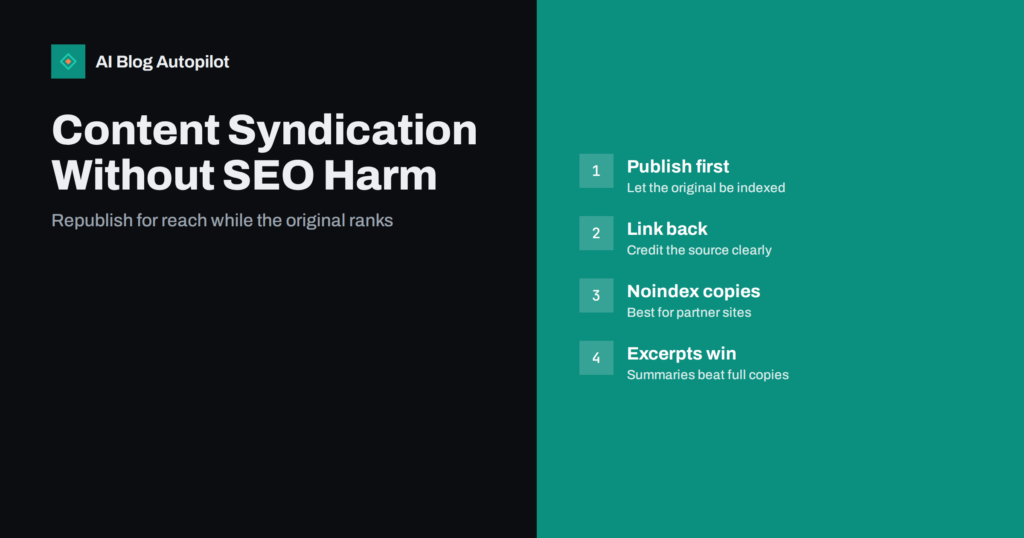
Content Syndication: Republishing Posts Without SEO Harm
Republishing your articles on Medium, LinkedIn or partner sites can widen reach. How to syndicate so your original keeps ranking in search results.
 Sep 27, 2026 · 8 min read
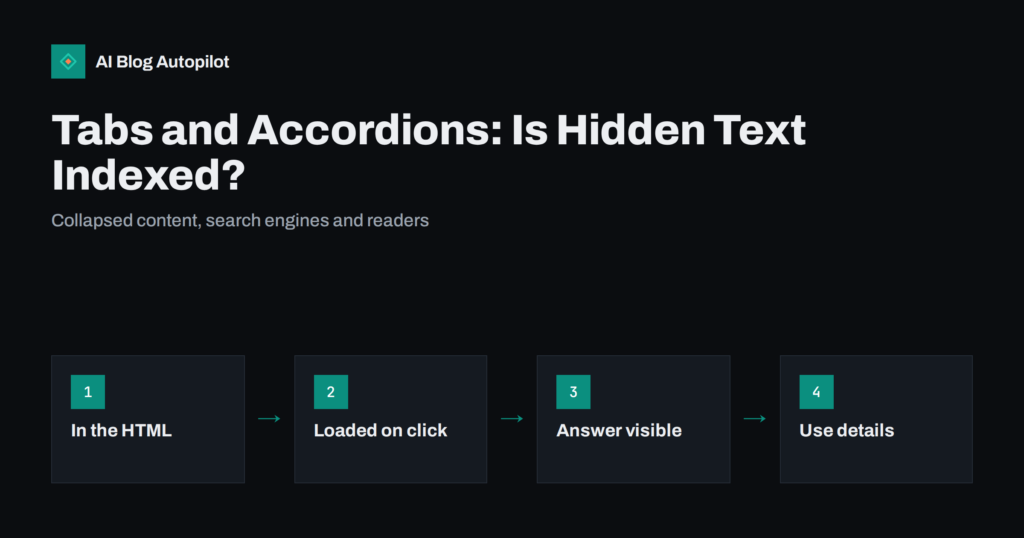
Content in Tabs and Accordions: Does Search Index It?
Text hidden in tabs, accordions and read-more toggles is generally indexed if it is in the HTML. When hiding helps, when it hurts, and…
 Sep 27, 2026 · 9 min read
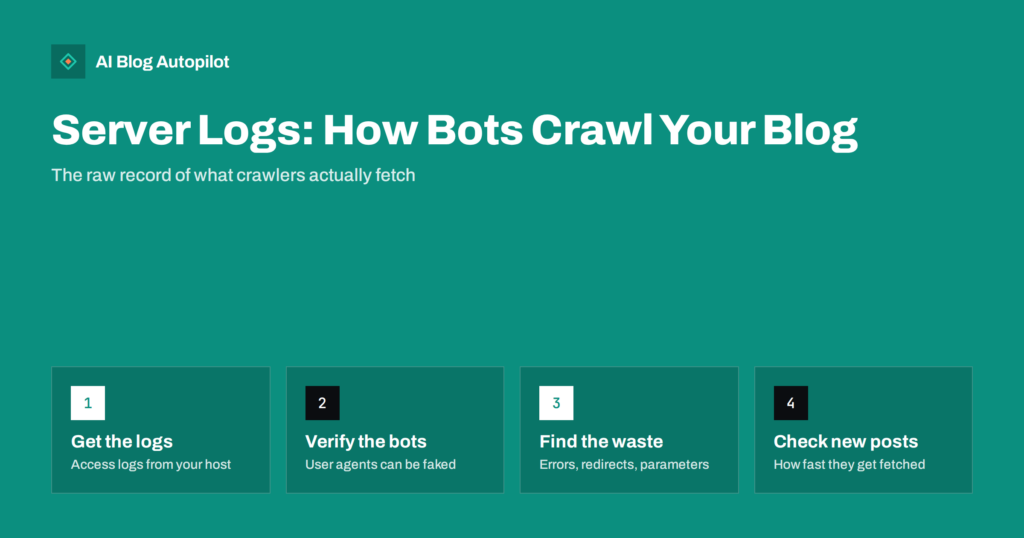
Server Log Analysis: Seeing How Bots Crawl Your Blog
Server logs record every request search engine and AI crawlers make. How to read them, verify real bots and spot crawl problems on a…
 Sep 27, 2026 · 9 min read
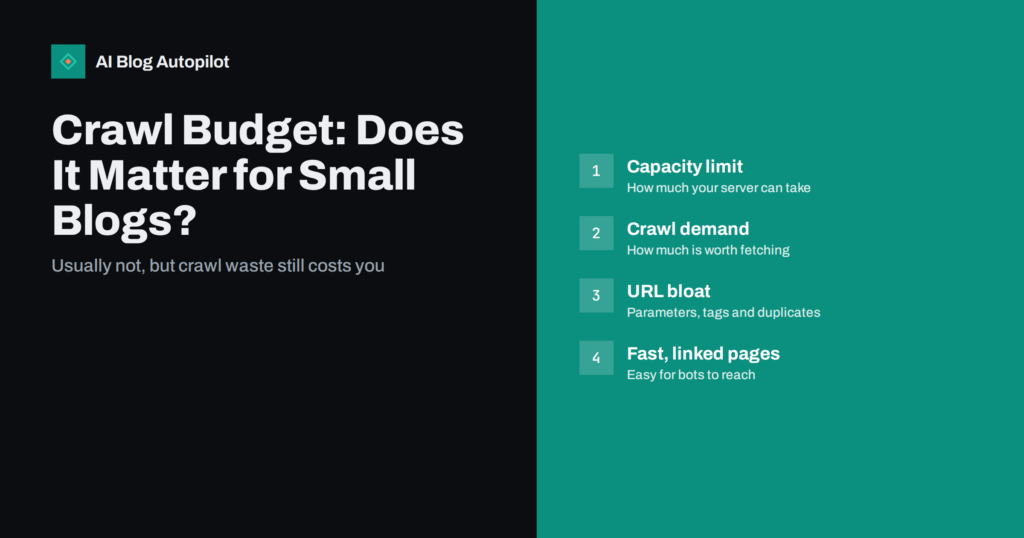
Crawl Budget: Does It Matter for a Small Blog?
Crawl budget is rarely the problem for a blog with a few hundred posts. What it is, when it starts to matter, and the…
 Sep 27, 2026 · 8 min read
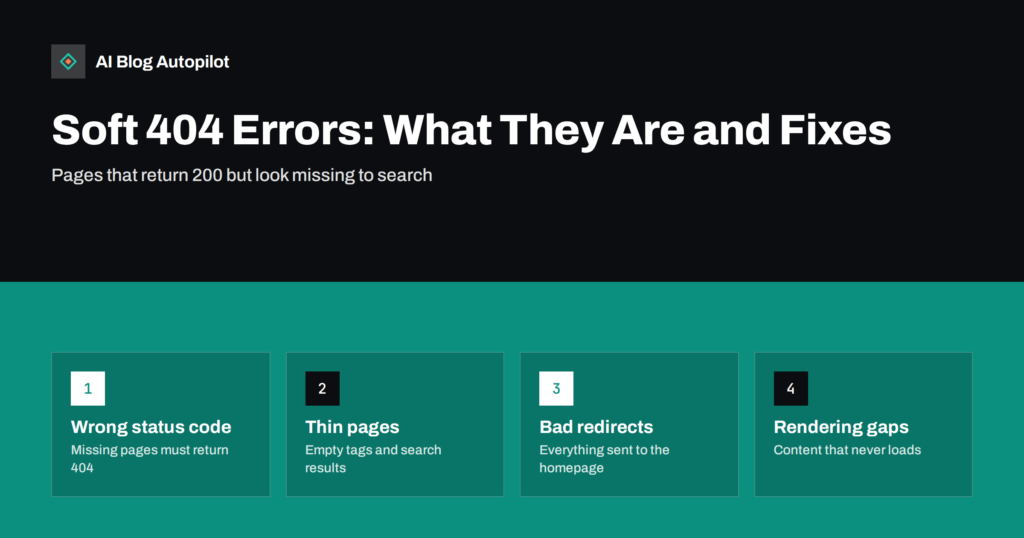
Soft 404 Errors: What They Are and How to Fix Them
A soft 404 is a page that says it works but looks empty or missing to search engines. The usual causes on a blog…
 Sep 26, 2026 · 8 min read
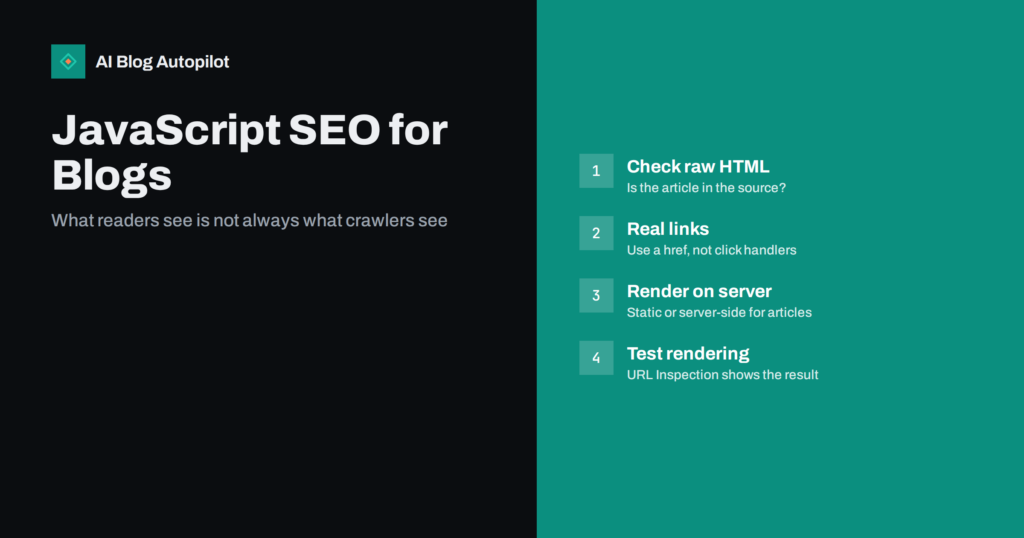
JavaScript SEO for Blogs: When Rendering Hides Your Content
If a blog builds its pages with JavaScript, crawlers may see less than readers do. How to test what search engines render and fix…
 Sep 26, 2026 · 9 min read
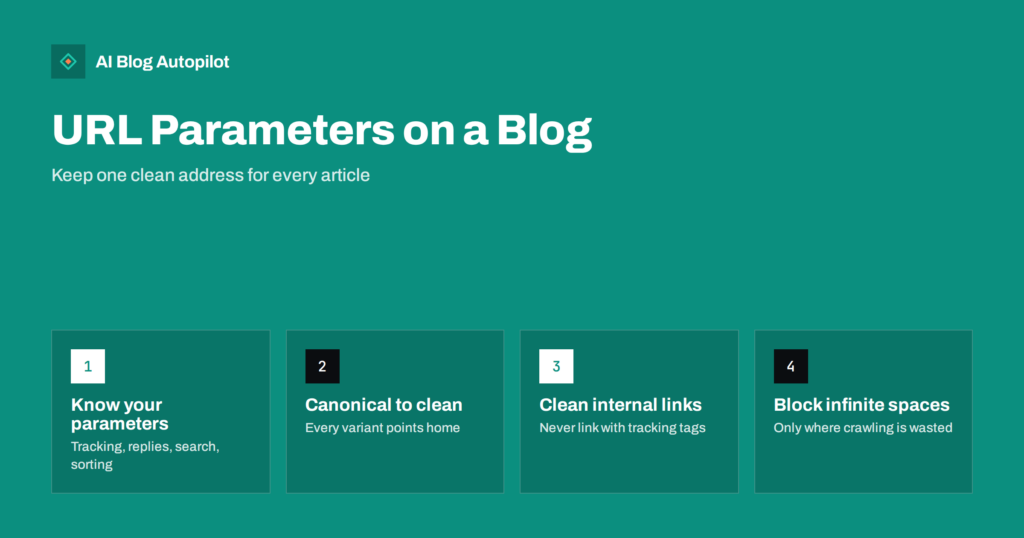
URL Parameters on a Blog: Duplicates, Tracking and Crawling
Tracking tags, comment replies and search pages add parameters to blog URLs. When they cause duplicate content or wasted crawling, and how to keep…
 Sep 26, 2026 · 9 min read
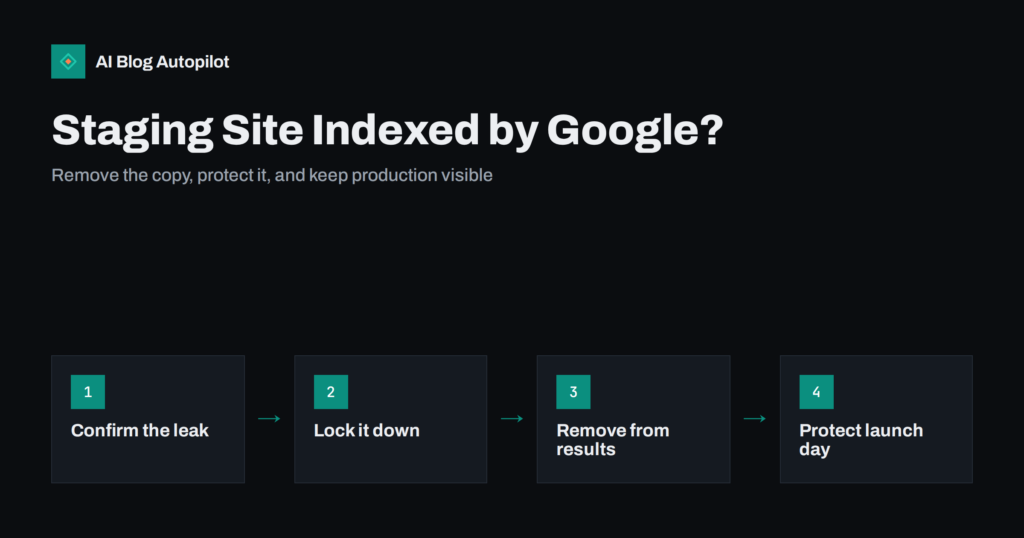
Staging Site Indexed by Google? How to Clean It Up
A staging or test copy of your blog showing up in search results causes duplicate content and confusion. How to remove it safely and…
 Sep 25, 2026 · 6 min read
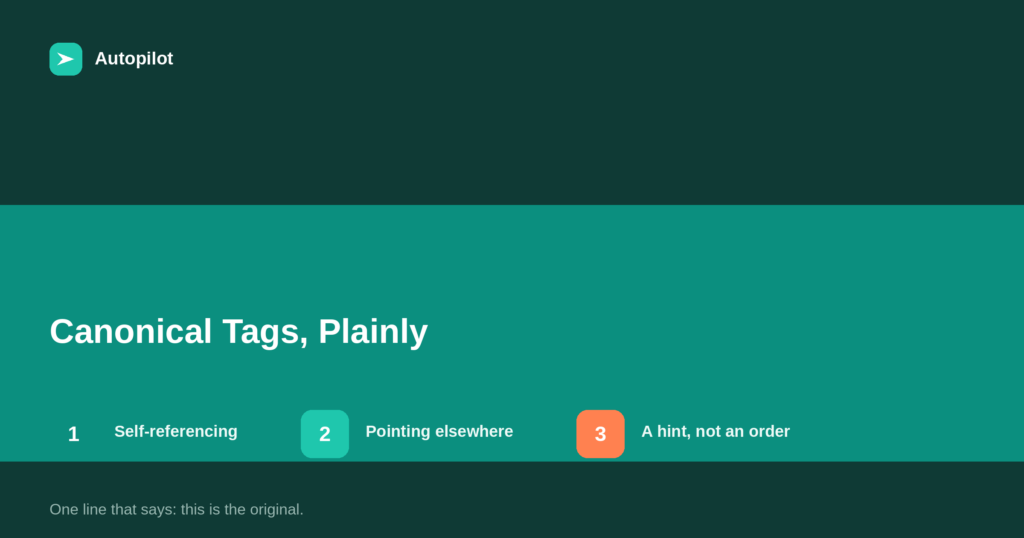
Canonical Tags Explained Without the Jargon
A canonical tag tells search engines which URL is the original when several show the same content. How it works, when to use it,…
 Sep 19, 2026 · 6 min read
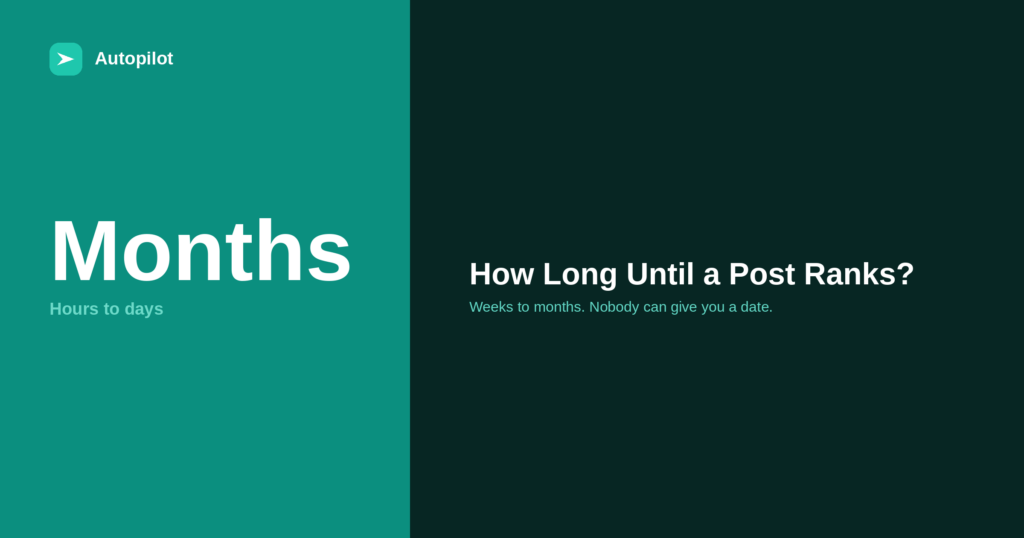
How Long Before a New Blog Post Ranks?
The honest answer is weeks to months, and nobody can give you a date. What happens between publishing and ranking, and what you can…
 Aug 19, 2026 · 6 min read
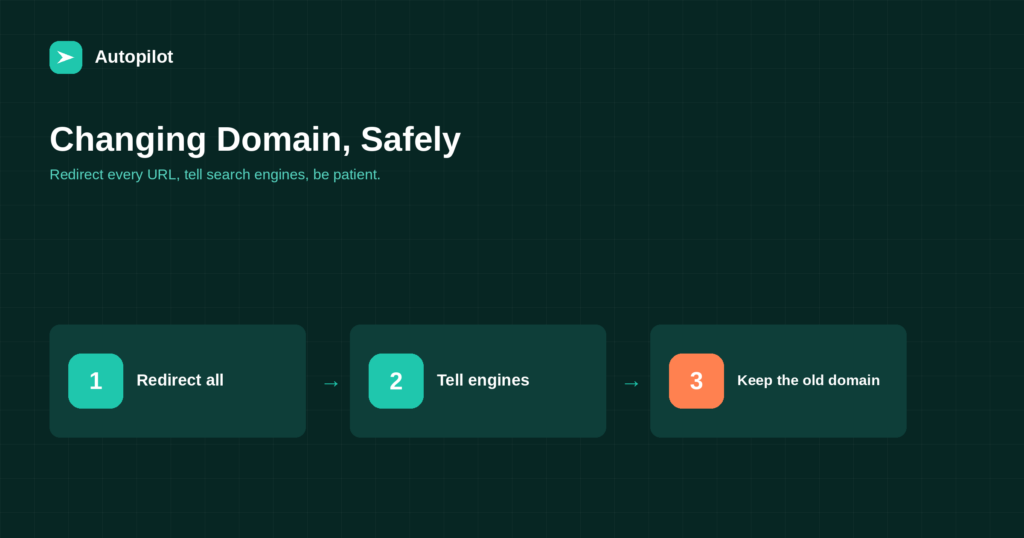
Changing a Blog’s Domain Name Safely
A domain change is the riskiest migration. When it is worth doing, how to redirect everything, how to tell search engines, and what to…
 Aug 13, 2026 · 6 min read
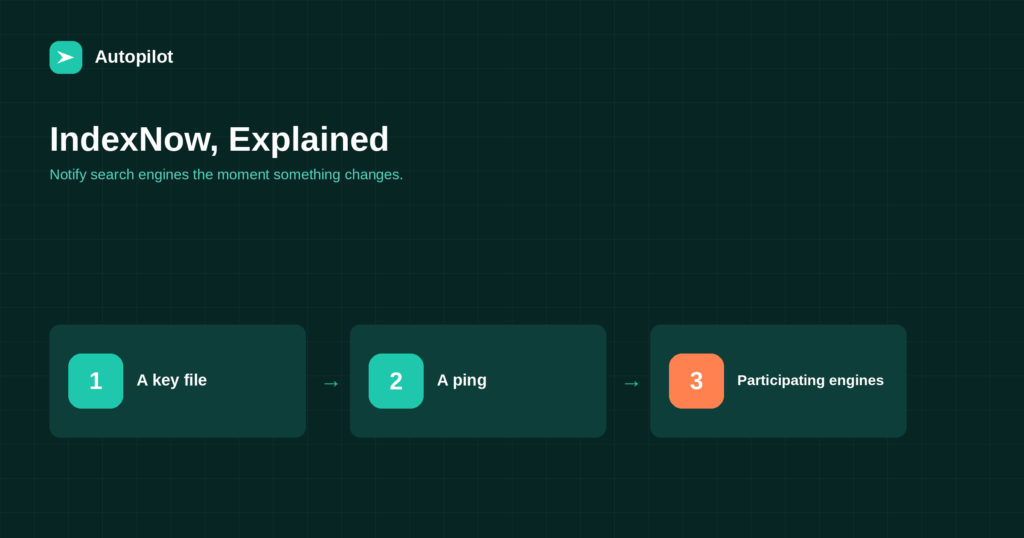
IndexNow: Telling Search Engines About New Pages Immediately
IndexNow lets a site notify participating search engines the moment a page is added or changed. How it works, which engines use it, how…