 ENEnglish
 LTLietuviškai
 DEDeutsch
 FRFrançais
 RUРусский
 ESEspañol
 PLPolski
 ITItaliano
 UKУкраїнська
 CSČeština
 PTPortuguês
 JA日本語
JA日本語 LVLatviešu valoda
 ETEesti
 HUMagyar
 IDBahasa Indonesia
 TRTürkçe
 HIहिन्दी
 ELΕλληνικά
 ARالعربية
 THไทย
THไทย VITiếng Việt
 RORomână
 MSBahasa Melayu
 BNবাংলা
SEO e marketing de conteúdo
Practical guides on writing articles that rank: search intent, article length, structure, internal links and steady publishing. Everything we learn while AI writes thousands of long-form articles for real websites.
 27 de set. de 2026 · 8 min de leitura
Does Web Hosting Affect SEO? What Matters for a Blog
Hosting affects SEO through speed, uptime, errors and security, not through the host's brand. What to look for in blog hosting and when it…
 27 de set. de 2026 · 9 min de leitura
Server Log Analysis: Seeing How Bots Crawl Your Blog
Server logs record every request search engine and AI crawlers make. How to read them, verify real bots and spot crawl problems on a…
 27 de set. de 2026 · 8 min de leitura
A Useful 404 Page for a Blog: What to Put on It
Visitors will hit missing pages on every blog. What a helpful 404 page includes, the status code it must return, and how to use…
 27 de set. de 2026 · 8 min de leitura
Semantic HTML for Blog Posts: Markup That Helps Search
Semantic HTML tells browsers, screen readers and search engines what each part of a post is. The elements that matter for blogs and the…
 27 de set. de 2026 · 9 min de leitura
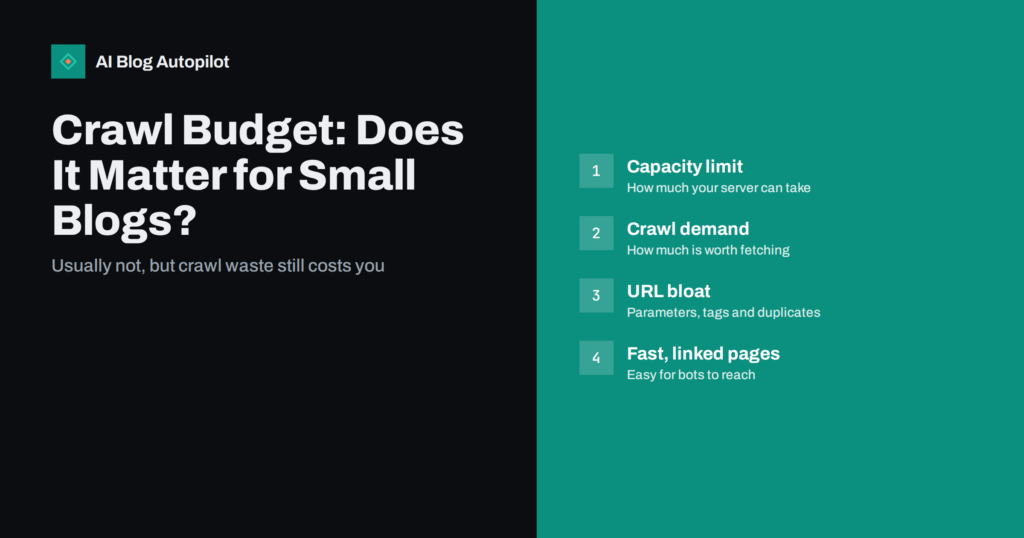
Crawl Budget: Does It Matter for a Small Blog?
Crawl budget is rarely the problem for a blog with a few hundred posts. What it is, when it starts to matter, and the…
 27 de set. de 2026 · 9 min de leitura
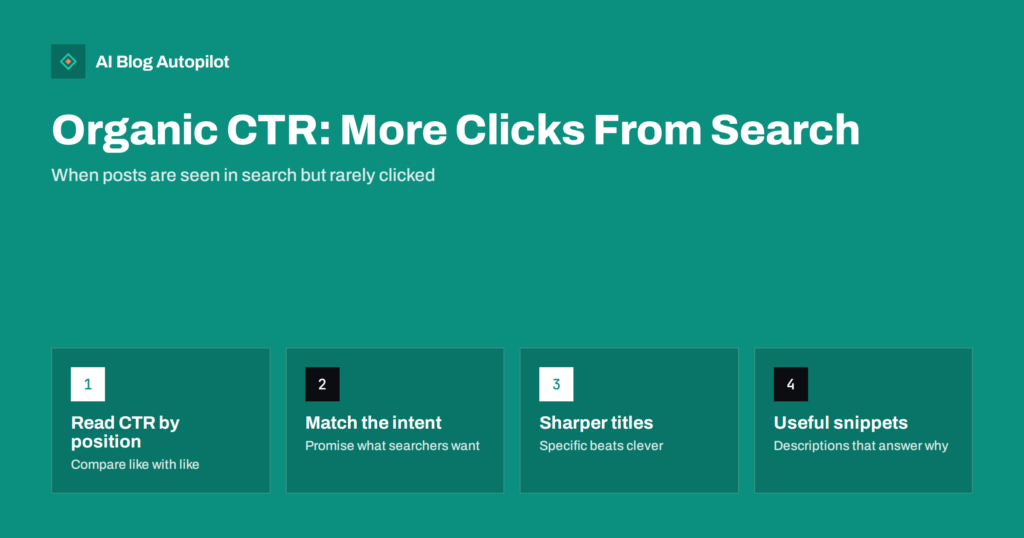
Organic Click-Through Rate: Earning More Clicks From Search
Your posts appear in search but few people click. How to read organic CTR in Search Console, what shapes it, and honest fixes for…
 27 de set. de 2026 · 8 min de leitura
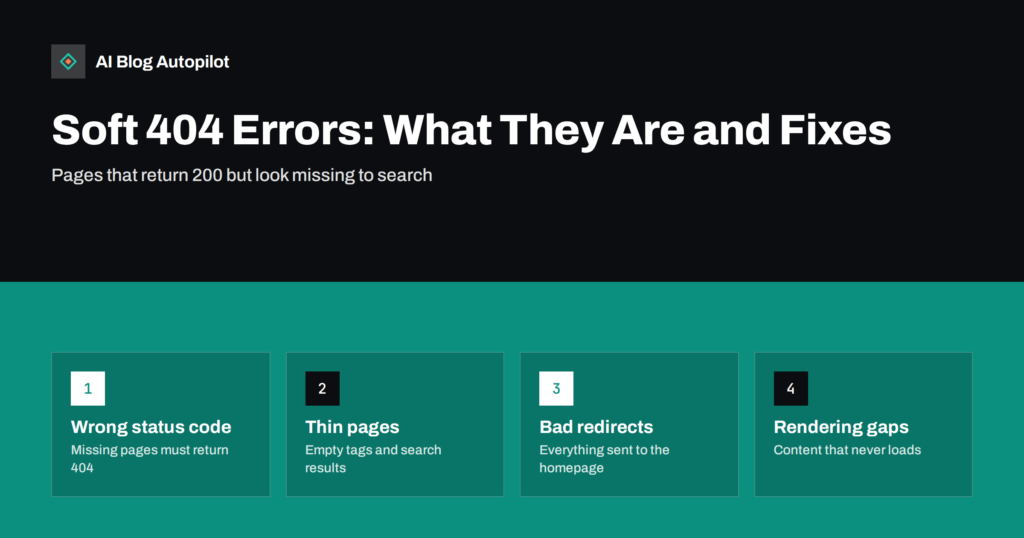
Soft 404 Errors: What They Are and How to Fix Them
A soft 404 is a page that says it works but looks empty or missing to search engines. The usual causes on a blog…
 27 de set. de 2026 · 9 min de leitura
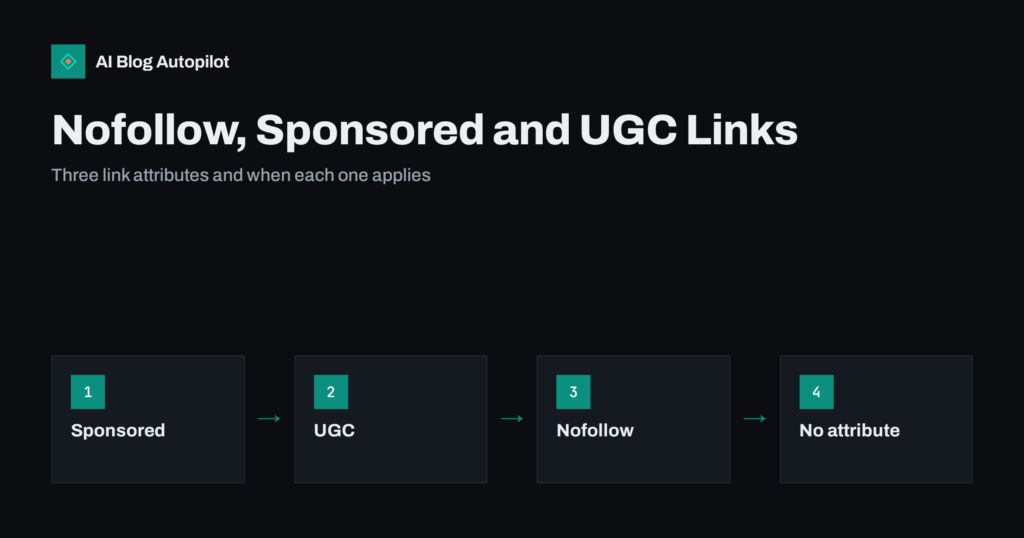
Nofollow, Sponsored and UGC Links: Which to Use When
rel=nofollow, sponsored and ugc explained for bloggers: what each attribute means, which links need one, how search engines treat them and common mistakes.
 27 de set. de 2026 · 9 min de leitura
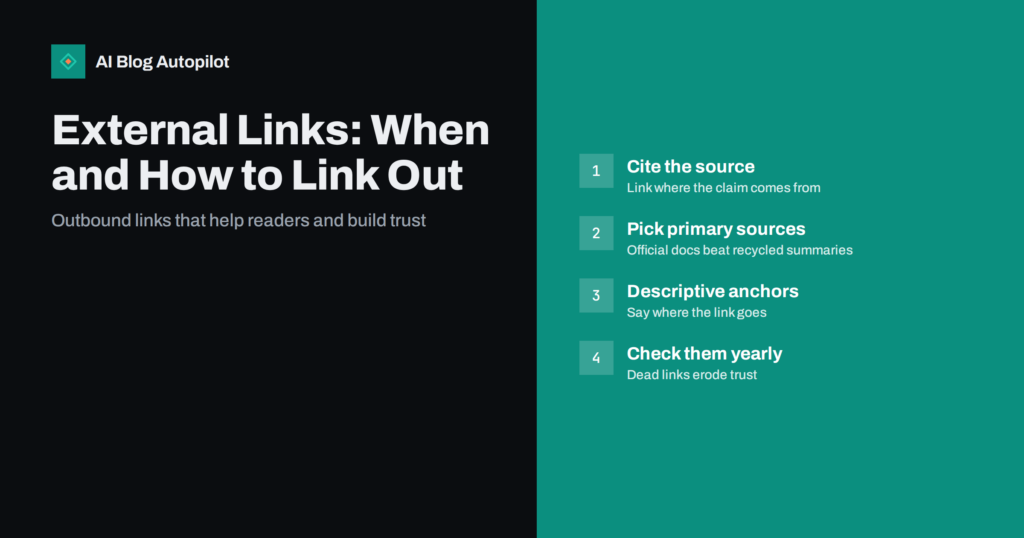
External Links in Blog Posts: When and How to Link Out
Linking to other websites does not leak your rankings. When outbound links help readers and trust, how to choose sources, and which attributes to…
 27 de set. de 2026 · 11 min de leitura
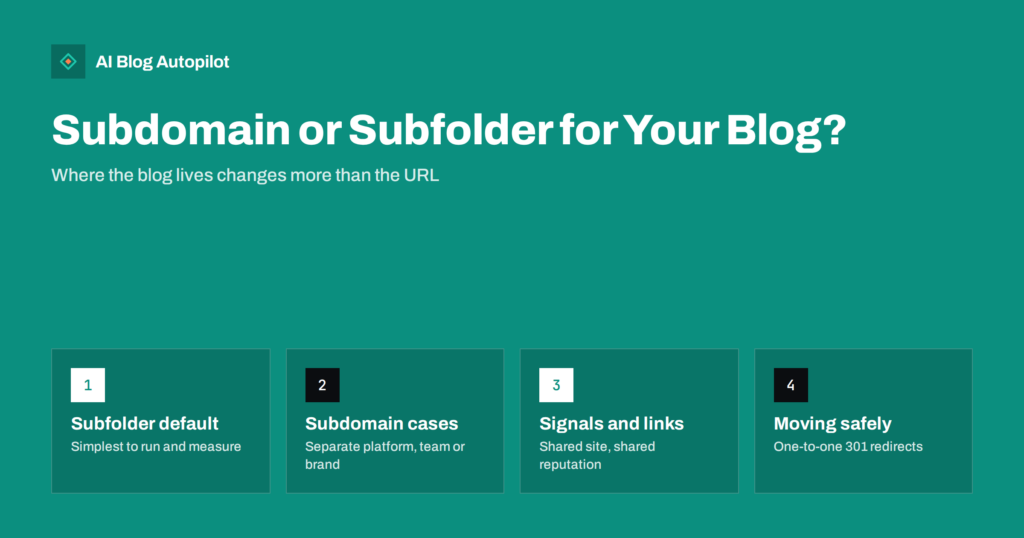
Subdomain or Subfolder: Where Should Your Blog Live?
blog.example.com or example.com/blog? How search engines treat each, when a subdomain makes sense, and how to move a blog between them without losing traffic.
 26 de set. de 2026 · 8 min de leitura
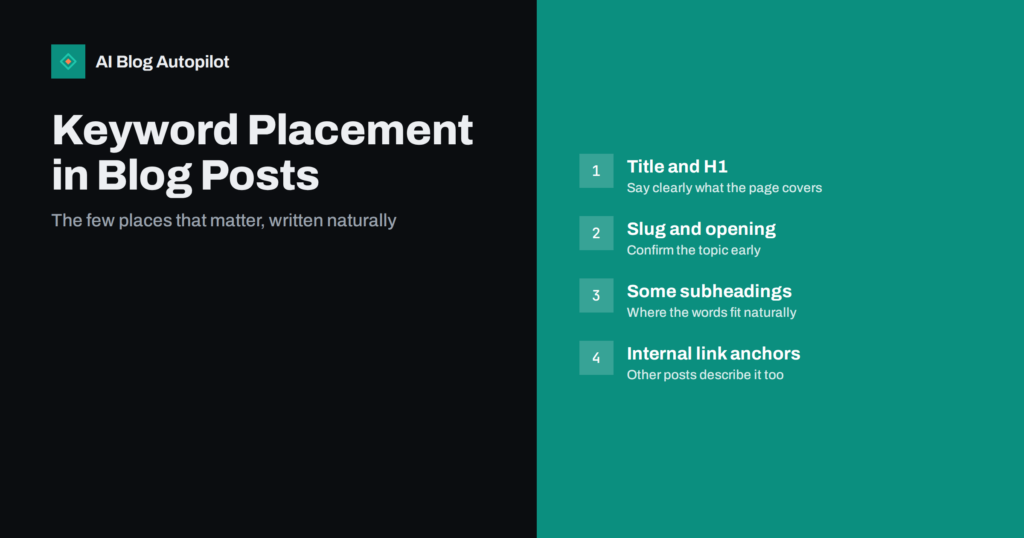
Keyword Placement: Where the Main Phrase Belongs in a Post
Where to use an article's main search phrase: title, H1, slug, opening, headings and links, and where not to force it. A practical guide…
 26 de set. de 2026 · 8 min de leitura
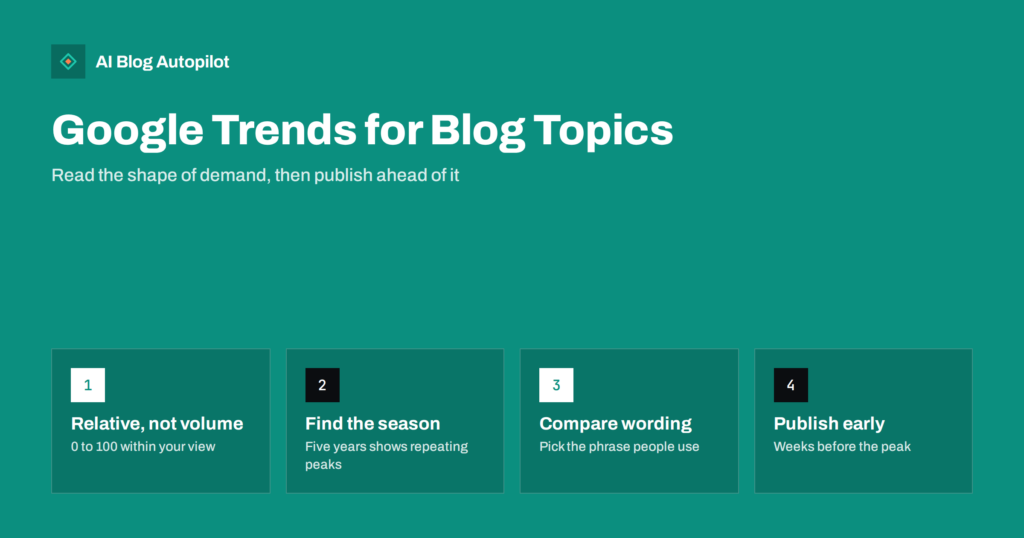
Using Google Trends to Choose and Time Blog Topics
Google Trends shows how interest in a topic rises, falls and repeats. How to read its relative scale, spot seasonal peaks and time blog…