ENEnglish
 LTLietuviškai
 DEDeutsch
 FRFrançais
 RUРусский
 ESEspañol
 PLPolski
 ITItaliano
 UKУкраїнська
 CSČeština
 PTPortuguês
 JA日本語
JA日本語 LVLatviešu valoda
 ETEesti
 HUMagyar
 IDBahasa Indonesia
 TRTürkçe
 HIहिन्दी
 ELΕλληνικά
 ARالعربية
 THไทย
THไทย VITiếng Việt
 RORomână
 MSBahasa Melayu
 BNবাংলা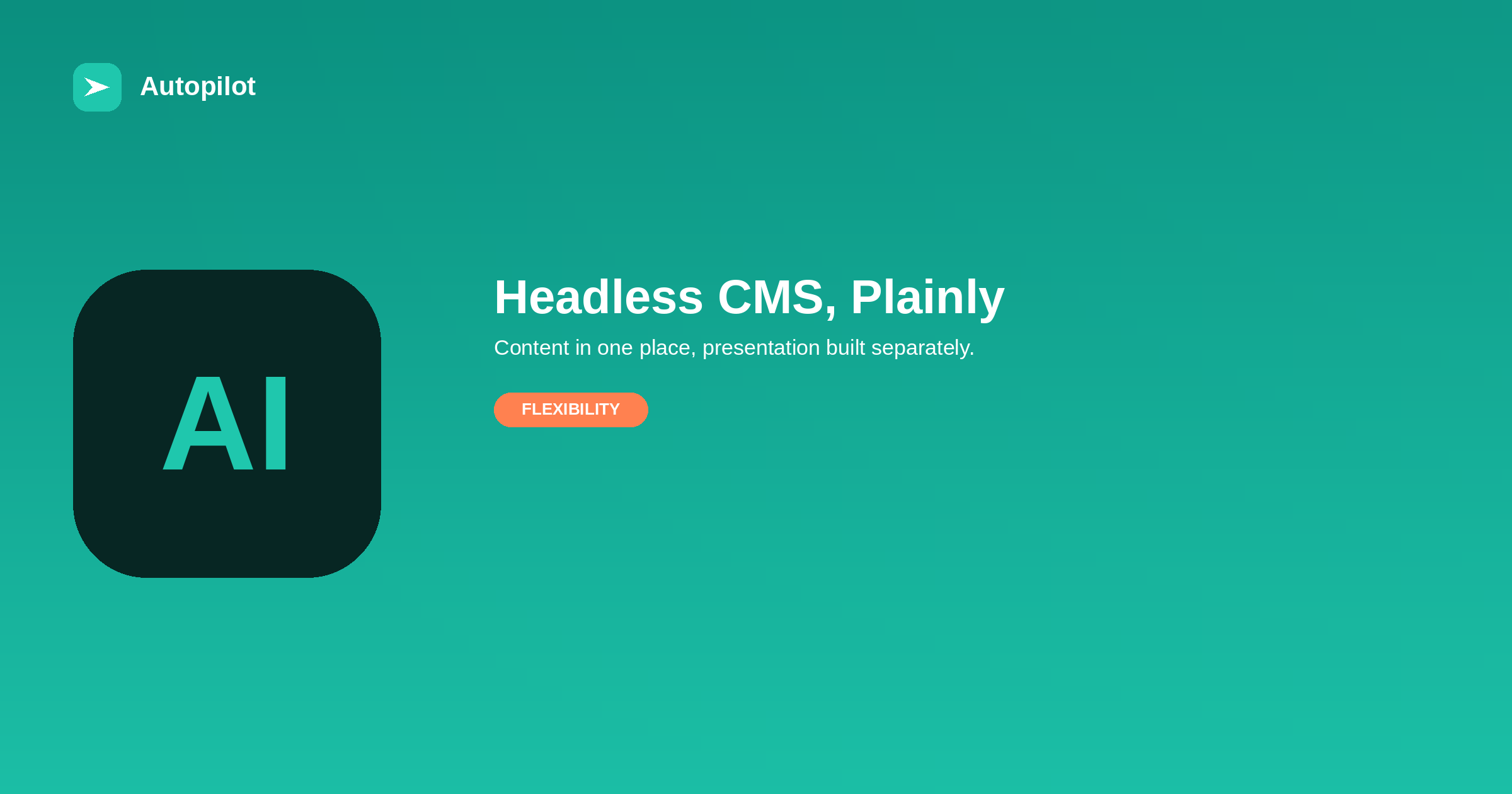
Short answer: a headless CMS stores and manages content but does not produce web pages itself; a separate front end, built by developers, fetches the content through an API and displays it. That gives flexibility in design and performance and lets the same content feed several channels. It also means everything a traditional CMS provides — URLs, titles, meta tags, structured data, sitemaps, redirects, previews — must be built and maintained by developers. It makes sense for teams with developers and multi-channel needs; for most business blogs it is more than needed.
Headless content management has become a popular architecture, particularly for larger organisations and development-led teams. It is sometimes recommended to smaller businesses as a modern upgrade.
Whether it helps a content site depends on who will build and maintain it, and whether its flexibility is actually needed.
What headless means
A traditional CMS such as WordPress both stores content and produces the web pages that display it. A headless CMS only stores and manages content, exposing it through an API.
A separate front end, built by developers, requests the content and displays it. The same content can also feed apps, other websites or other channels.
What it offers
The advantages are real for the right team.
- Freedom to build the front end with any technology.
- Potentially very fast pages, pre-built and served from a content delivery network.
- Structured content reused across channels.
- Separation between editors and presentation code.
What it costs
Everything the front end does must be built. For a content site that includes a long list of basics a traditional CMS provides out of the box.
| Needed | Traditional CMS | Headless |
|---|---|---|
| URLs and slugs | Built in | Developer builds routing |
| Titles and meta descriptions | Plugin or setting | Developer builds fields and output |
| Structured data | Plugin | Developer builds it |
| Sitemaps | Automatic | Developer builds generation |
| Redirects | Plugin | Developer builds or configures |
| Previews for editors | Built in | Developer builds preview |
None is difficult for a capable team, but each needs building and maintaining.
SEO risks
The most common SEO problems on headless sites come from pages rendered only in the browser, which some crawlers handle less reliably; missing or duplicate meta tags; broken or missing sitemaps; and redirects forgotten during launches.
Server-side rendering or static generation, a checklist of SEO basics, and testing with URL inspection address most of them. structured data for a blog and XML sitemaps cover two of the basics.
Editorial experience
Editors in a headless system work with structured fields rather than a page editor. That is clean and consistent but can feel restrictive, and previews may need custom work.
For teams publishing many articles, the editorial experience matters as much as the architecture. Test it with the people who will use it daily.
Publishing tools
Automated publishing tools need a way to create content. Headless systems have APIs, but each is different, and many publishing tools support WordPress’s standard API rather than every headless system.
Check compatibility before choosing, or plan for custom integration work.
When it makes sense
Headless suits organisations with in-house developers, content that feeds several channels, specific performance or design requirements, and the budget to build and maintain SEO basics.
For a business blog run by a small marketing team, a traditional CMS on good hosting usually delivers the same results with far less effort — choosing a blog platform covers the comparison.
A middle path
Some teams use WordPress as a headless back end, keeping its familiar editor and publishing API while building a custom front end. That preserves compatibility with publishing tools but still requires developers to rebuild the SEO basics on the front end.
Performance claims in context
Headless sites are often promoted as faster. Pre-built pages served from a content delivery network can be very fast, and that is a genuine advantage.
A traditional CMS with good hosting, caching and a light theme can also be fast enough that the difference does not matter to readers or search engines. Speed gained through architecture can also be lost again through heavy front-end code. Measure real-user performance on both before assuming the switch will help — page speed on a content site covers what to measure.
Maintenance over time
A headless front end is custom software. It needs updating as frameworks change, security patches applied, and features maintained as requirements evolve. If the developer who built it leaves, the next one must learn it.
Budget for ongoing development, not just the initial build. Many headless projects that start well struggle later because maintenance was not planned.
A launch checklist for headless content sites
Before launching a headless content site, confirm: pages render on the server or are pre-built; each page has a unique title, description and canonical; structured data is present and valid; a sitemap is generated and submitted; redirects from any old URLs work; robots rules allow crawling; editors can preview; and publishing tools, if used, can create content. Test a sample of pages with URL inspection before and after launch.
Questions for your developers
If developers recommend going headless, ask them how the front end will handle rendering, meta tags, structured data, sitemaps, redirects, previews and publishing integrations, and who will maintain each after launch. Ask for an estimate of ongoing maintenance time, not just the build.
Clear answers suggest a well-planned project. Vague ones suggest the SEO basics will be discovered after launch, which is the most expensive time to find them.
Content modelling
Headless systems store content as structured fields: title, summary, body, author, FAQ items, and so on. Designing that model well at the start makes content reusable and consistent; designing it badly creates rigid templates editors work around.
Involve the people who write and publish in designing the model, and include fields for the SEO basics — title tag, description, canonical, FAQ — from the beginning rather than adding them later.
Deciding
Ask what problem headless would solve for you, who will build and maintain the front end, and whether your publishing tools support it. If the answers are unclear, a traditional CMS is the safer choice. Architecture does not guarantee rankings; content and sound technical basics do the work.
Related reading
If this was useful, these cover the questions that usually come next.
- Choosing a blog platform — the wider comparison
- Structured data for a blog — one of the basics to rebuild
- Page speed on a content site — a common reason teams go headless
The bottom line
A headless CMS separates content from presentation, giving flexibility and multi-channel reuse. It also requires developers to build and maintain URLs, meta tags, structured data, sitemaps, redirects and previews. Choose it when you have developers and a real need for its flexibility; otherwise a traditional CMS on good hosting is simpler.
FAQ
What is a headless CMS?
A content management system that stores content and exposes it through an API, without producing web pages itself. A separate front end displays it.
Is a headless CMS better for SEO?
Not inherently. It can be fast and flexible, but SEO basics must be built by developers.
What are the SEO risks of headless sites?
Client-side rendering, missing meta tags, broken sitemaps and forgotten redirects are common.
Do publishing tools work with headless CMS?
Some do; many support WordPress’s API rather than every headless system. Check compatibility.
Who should use a headless CMS?
Teams with developers, multi-channel content and specific performance or design needs.
Can WordPress be used headless?
Yes, as a back end with a custom front end, keeping its editor and API.