 ENEnglish
 LTLietuviškai
 DEDeutsch
 FRFrançais
 RUРусский
 ESEspañol
 PLPolski
 ITItaliano
 UKУкраїнська
 CSČeština
 PTPortuguês
 JA日本語
JA日本語 LVLatviešu valoda
 ETEesti
 HUMagyar
 IDBahasa Indonesia
 TRTürkçe
 HIहिन्दी
 ELΕλληνικά
 ARالعربية
 THไทย
THไทย VITiếng Việt
 RORomână
 MSBahasa Melayu
 BNবাংলা
SEO e content marketing
Practical guides on writing articles that rank: search intent, article length, structure, internal links and steady publishing. Everything we learn while AI writes thousands of long-form articles for real websites.
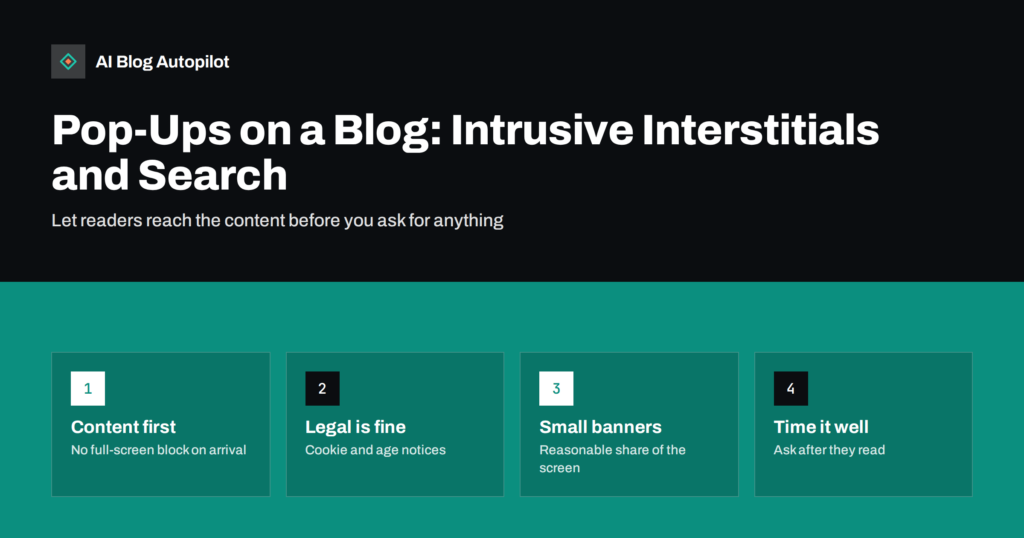 28 set 2026 · 8 min di lettura
Pop-Ups on a Blog: Intrusive Interstitials and Search
Newsletter pop-ups and full-screen overlays can frustrate readers and count against page experience. Which pop-ups are fine on a blog and how to use…
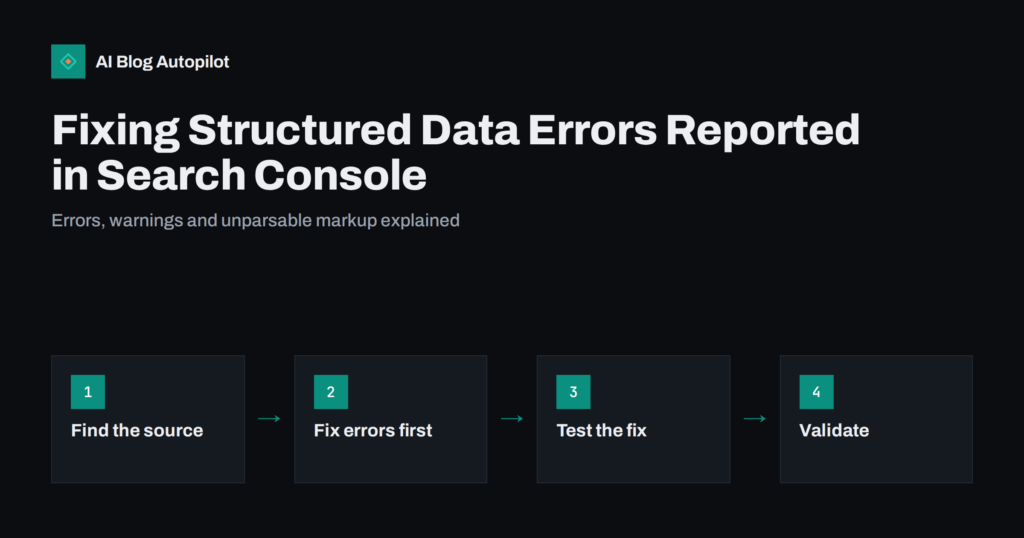 28 set 2026 · 8 min di lettura
Fixing Structured Data Errors Reported in Search Console
Search Console flags invalid items, warnings and unparsable structured data. What each message means on a blog, which ones matter and how to fix…
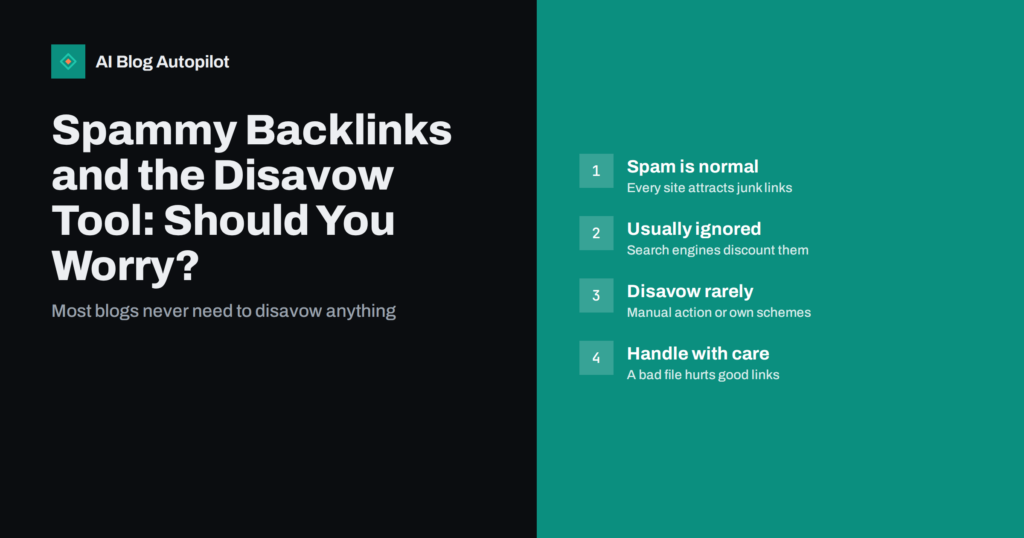 28 set 2026 · 8 min di lettura
Spammy Backlinks and the Disavow Tool: Should You Worry?
Spammy links pointing at your blog are normal and usually ignored. When the disavow tool is actually needed, when it can do harm, and…
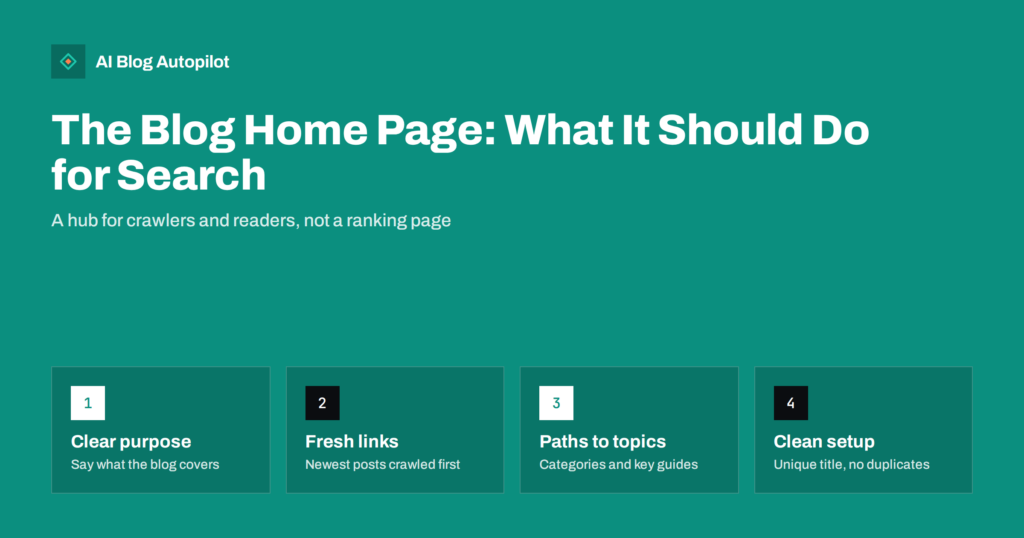 28 set 2026 · 8 min di lettura
The Blog Home Page: What It Should Do for Search
A blog's main listing page is rarely meant to rank for much, but it shapes crawling, internal links and first impressions. How to set…
 28 set 2026 · 8 min di lettura
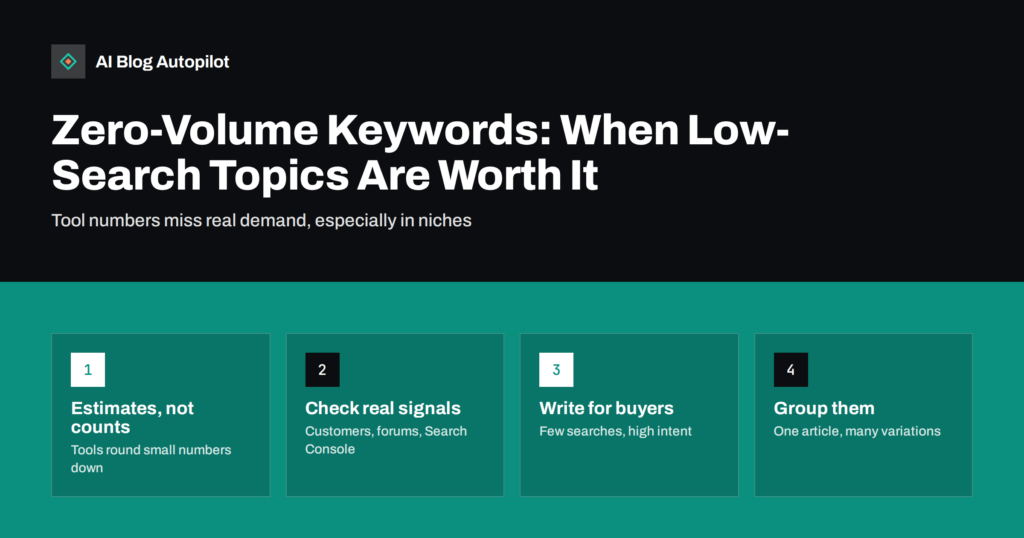
Zero-Volume Keywords: When Low-Search Topics Are Worth It
Keyword tools often show zero searches for topics people really do search. When zero-volume keywords are worth an article, and how to judge them…
 28 set 2026 · 8 min di lettura
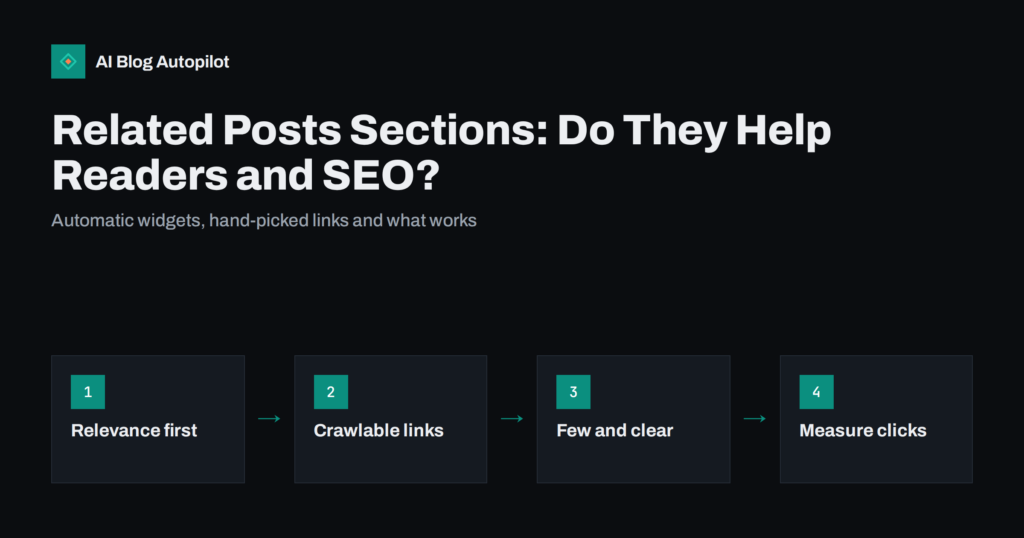
Related Posts Sections: Do They Help Readers and SEO?
Related posts blocks can keep readers moving and spread internal links, or add clutter and slow pages. How to choose, place and build them…
 28 set 2026 · 8 min di lettura
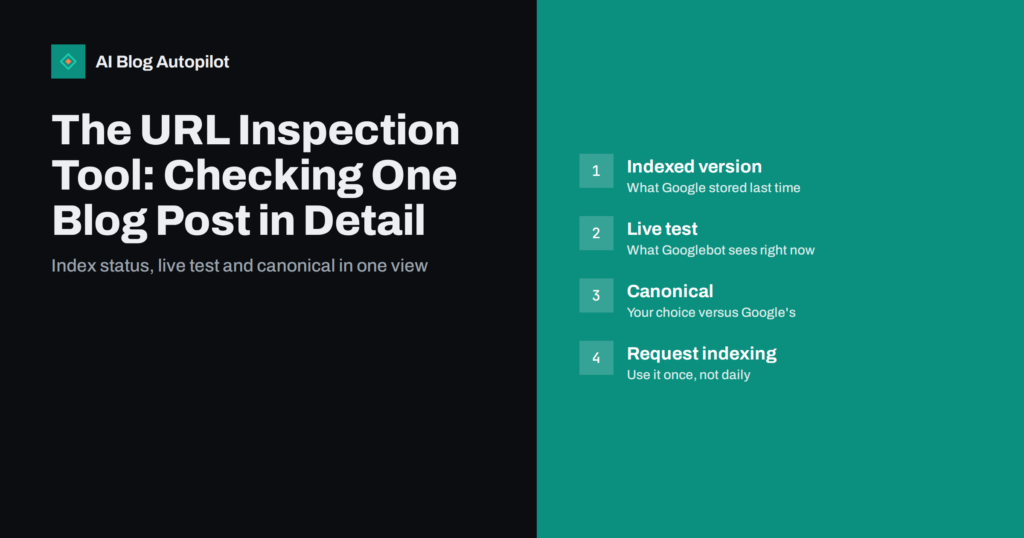
The URL Inspection Tool: Checking One Blog Post in Detail
How to use Search Console's URL Inspection tool on a blog post: read the index status, the live test and canonical choice, and know…
 28 set 2026 · 9 min di lettura
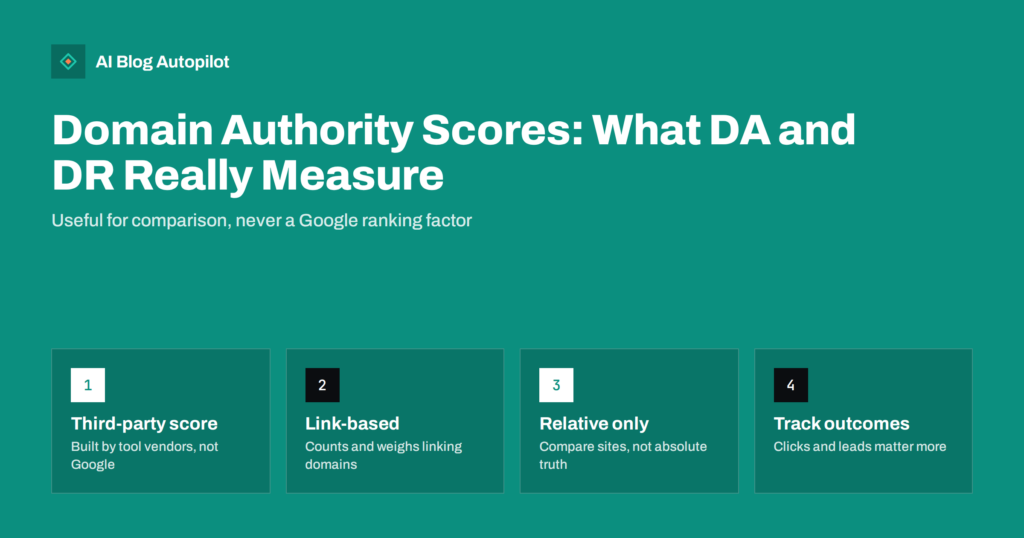
Domain Authority Scores: What DA and DR Really Measure
Domain Authority and Domain Rating are third-party link scores, not Google metrics. What they measure, where they mislead, and how a blog should use…
 27 set 2026 · 8 min di lettura
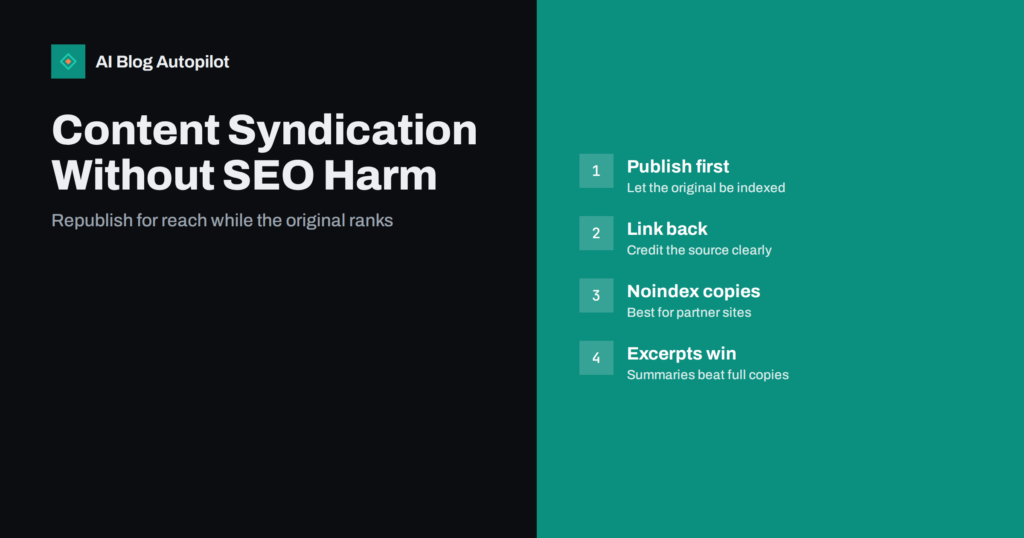
Content Syndication: Republishing Posts Without SEO Harm
Republishing your articles on Medium, LinkedIn or partner sites can widen reach. How to syndicate so your original keeps ranking in search results.
 27 set 2026 · 9 min di lettura
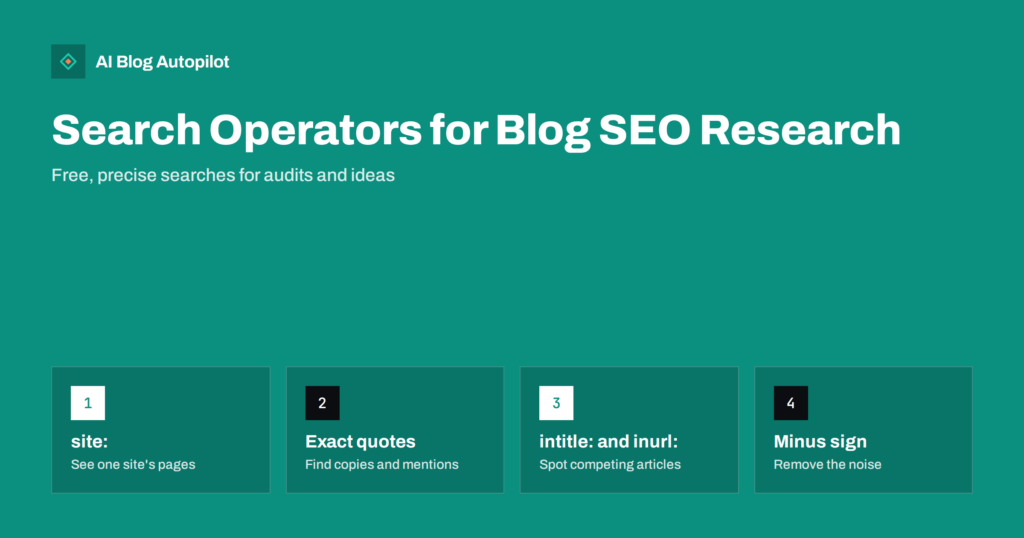
Google Search Operators for SEO Research on a Blog
site:, intitle:, quotes and other search operators turn Google into a free research tool. Practical searches for audits, topic research and competitor checks.
 27 set 2026 · 8 min di lettura
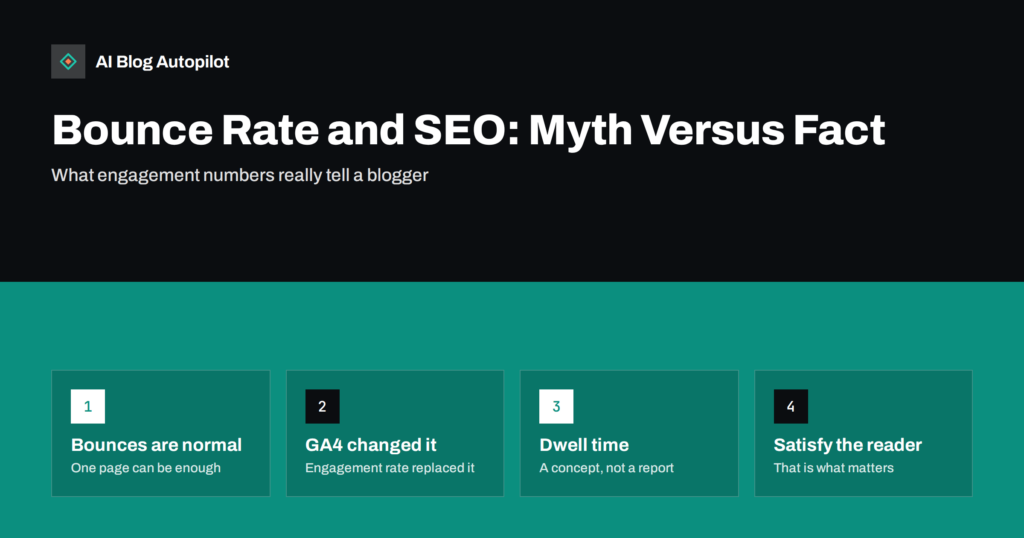
Bounce Rate, Dwell Time and SEO: Myth Versus Fact
Is a high bounce rate hurting your blog's rankings? What bounce rate and dwell time really measure, what search engines have said, and what…
 27 set 2026 · 8 min di lettura
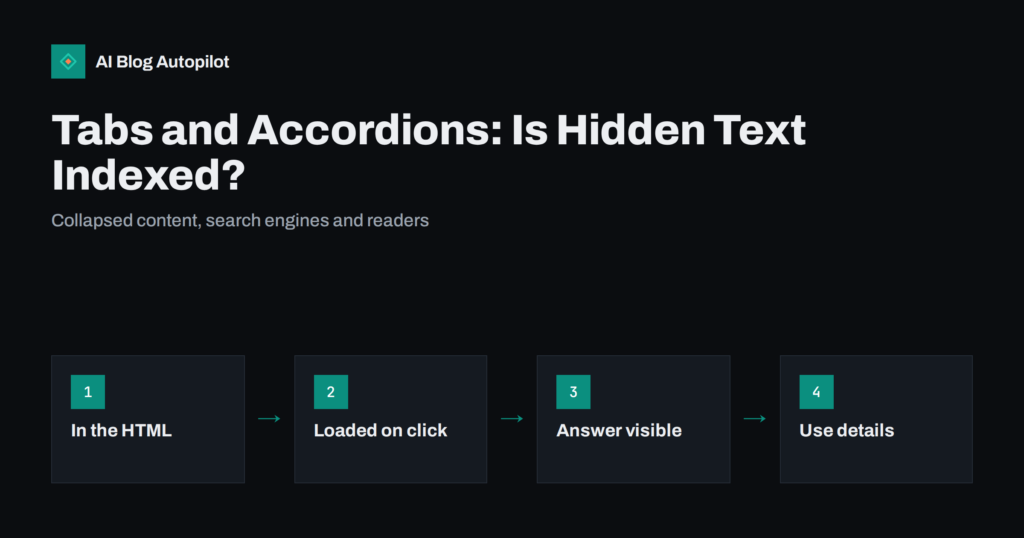
Content in Tabs and Accordions: Does Search Index It?
Text hidden in tabs, accordions and read-more toggles is generally indexed if it is in the HTML. When hiding helps, when it hurts, and…